Official status · worldwide volcano guides

Active volcanoes, clearly explained.

Search current eruption status, official alert levels and monitoring updates for the volcanic systems Volcoholics follows — then go deeper with detailed geology, history and hazard guides.

30Volcanic systems listed
10Currently erupting
13Elevated / paused
28 AugLatest full status check
A global volcano information hub

Start with what is happening now. Stay for the science behind it.

Volcoholics brings current active-volcano information into one searchable place. Each status card summarises the latest official picture from the responsible observatory or civil-protection agency, while our full profiles explain eruption history, monitoring, geology and hazards in readable language.

This is not an automated “danger ranking” and it does not replace local advice. Alert systems differ between countries, so every card keeps the official wording and source visible.

Current status directory

Explore volcanoes worldwide

30 systems shown
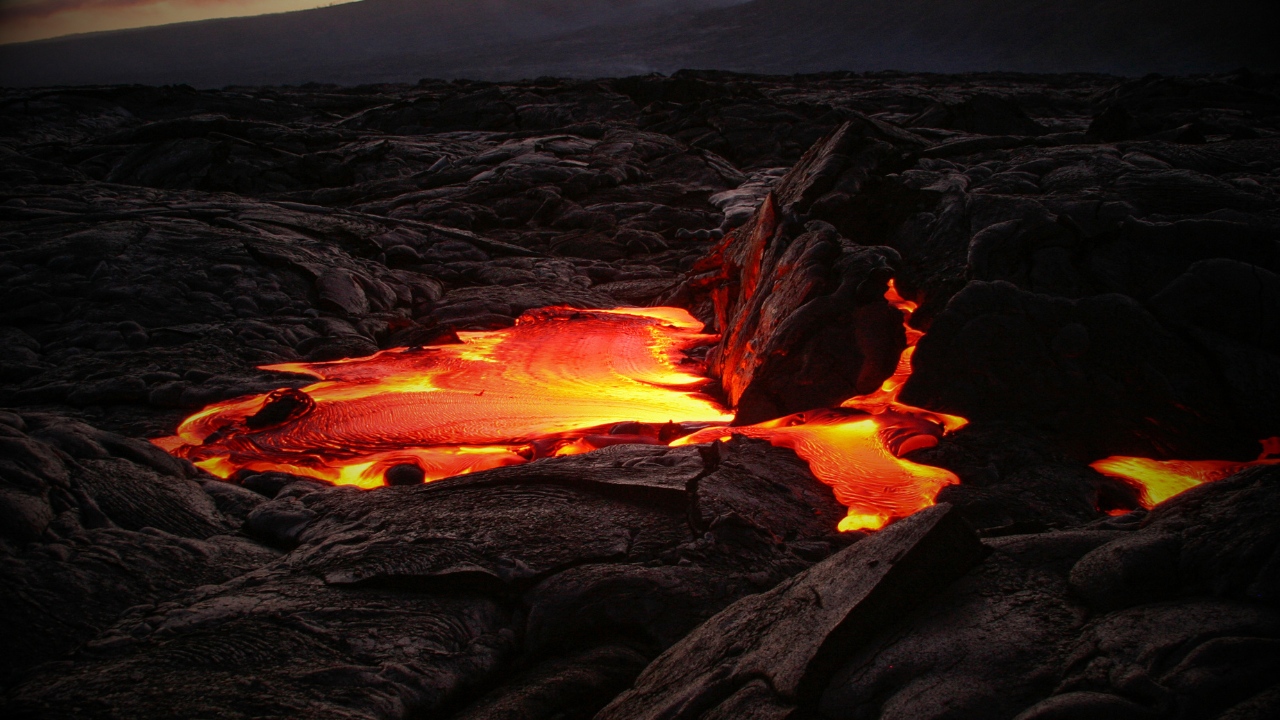
Kīlauea volcano Paused Hawaii, USA

Kīlauea

One of Earth’s most active volcanoes, producing episodic Halemaʻumaʻu lava fountains since December 2024.

Type
Shield volcano
Elevation / area
1,247 m
Official alert
Advisory / Aviation Yellow
Latest official picture

Kīlauea is not erupting. Episode 54 ended on 25 August after nine hours of continuous north-vent lava fountaining. HVO's 27 August update says summit reinflation has stopped and variable deflation is continuing. Another lava-fountaining episode may occur in coming weeks if normal tilt patterns resume, but HVO says more data are needed before a forecast window can be modelled.

USGS HVO · daily update 27 Aug 2026
Open full profile
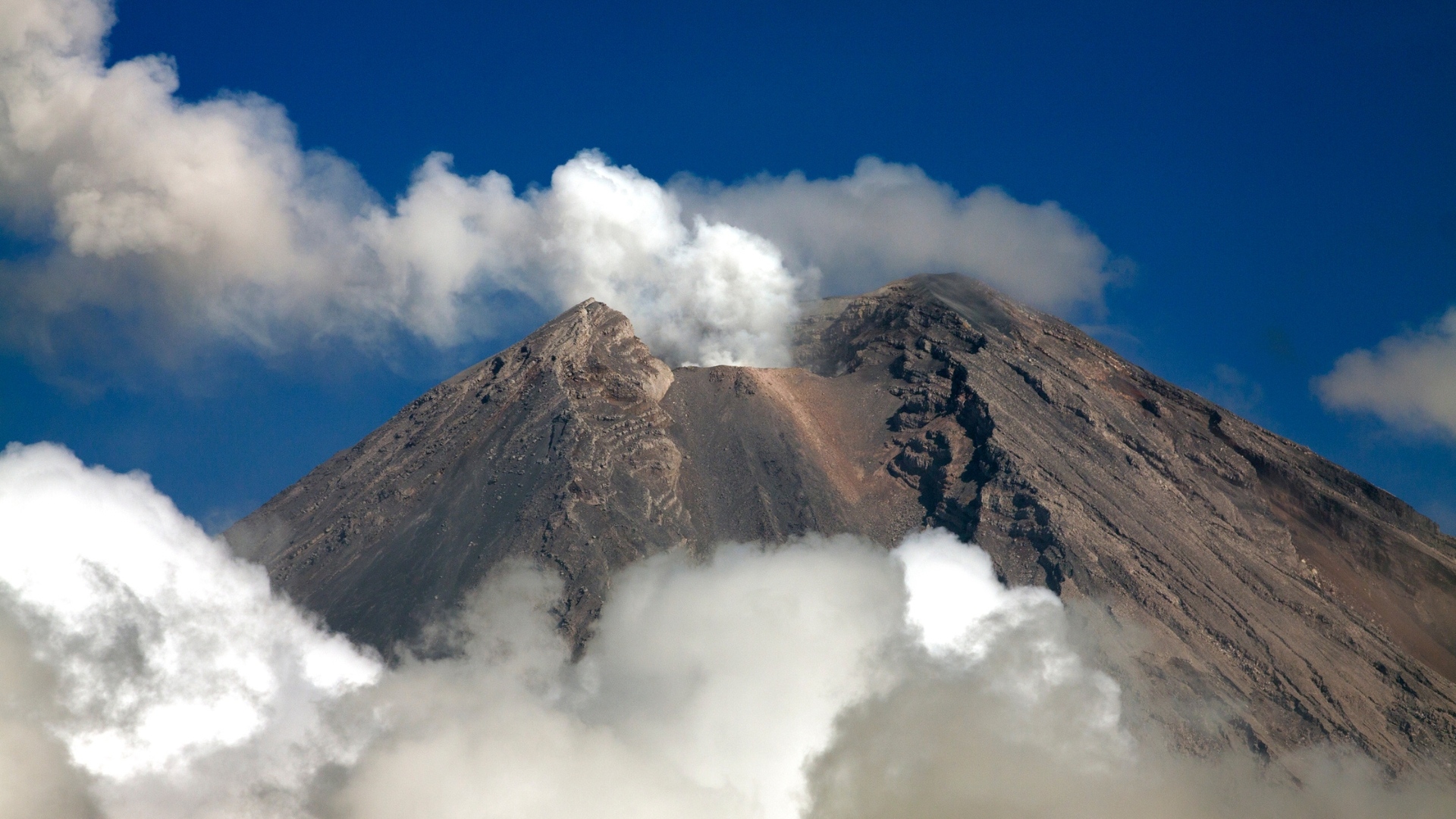
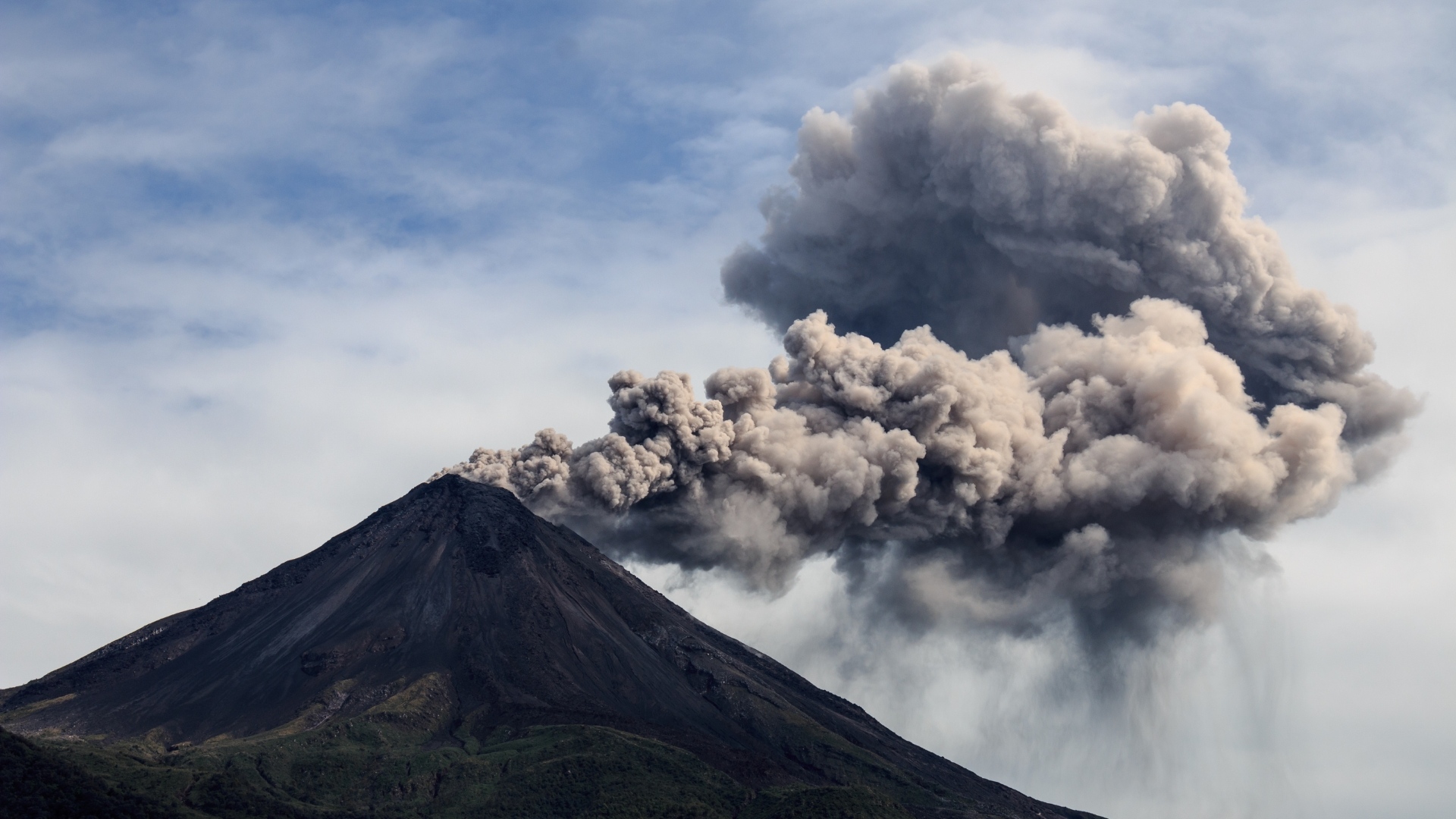
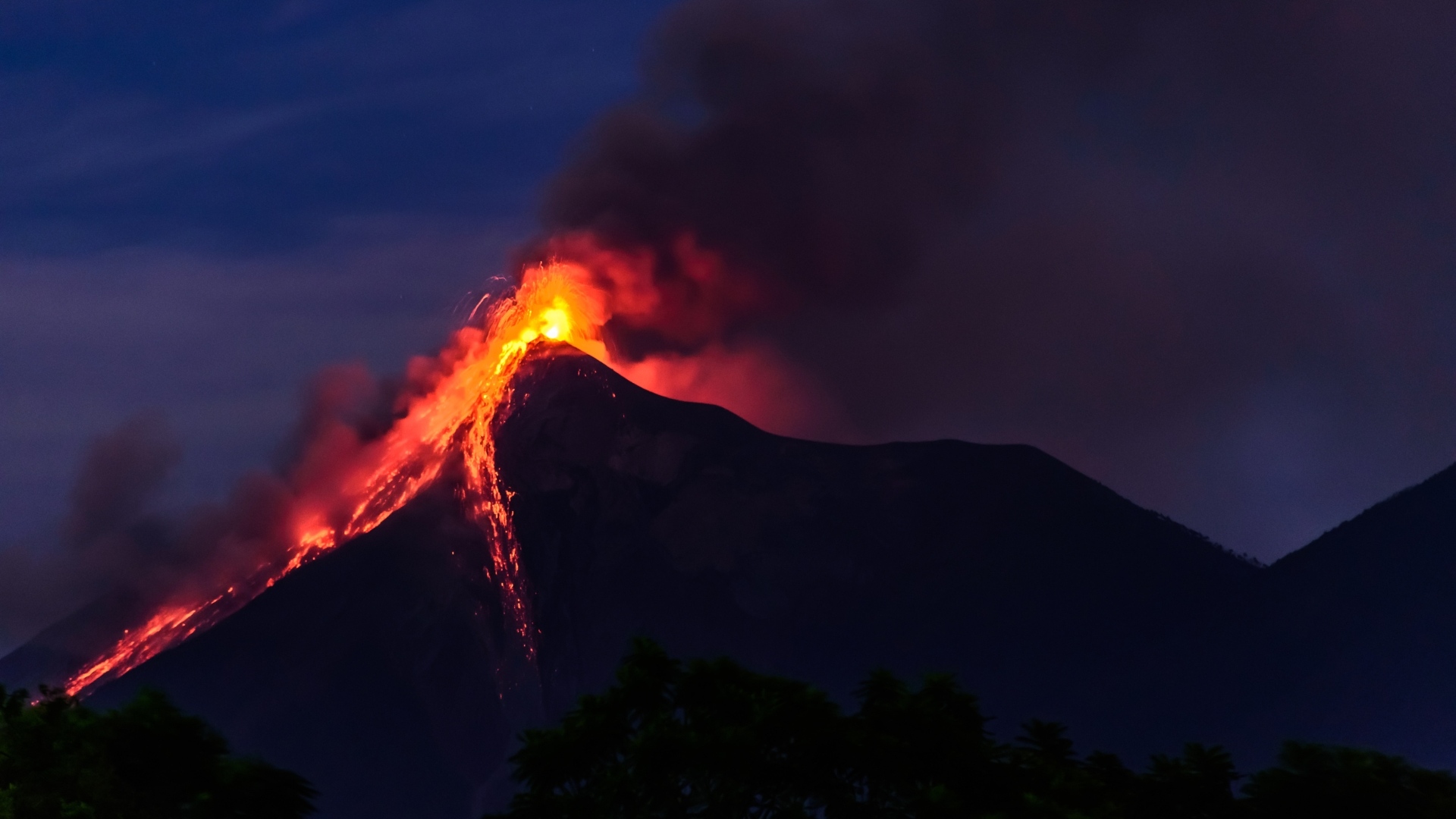
Fuego volcano Erupting Guatemala

Fuego

A highly active stratovolcano near Antigua, capable of ashfall, lava flows and dangerous pyroclastic currents.

Type
Stratovolcano
Elevation / area
3,763 m
Official alert
Persistent eruptive activity
Latest official picture

Fuego remains in its normal persistent eruptive pattern. INSIVUMEH's 23 August ash-dispersion update reported gas-and-ash columns reaching 4,300–4,700 m above sea level and dispersing about 50 km north; its seismic records did not indicate an increase in activity.

INSIVUMEH · ash-dispersion update 23 Aug 2026
Open full profile
Iceland — Reykjanes volcano Caution Iceland

Iceland — Reykjanes

The Sundhnúkur crater row has produced repeated fissure eruptions since December 2023.

Type
Fissure swarm
Elevation / area
Reykjanes Peninsula
Official alert
Hazard assessment unchanged to 30 Sep
Latest official picture

No eruption is underway. IMO's 18 August update reports slow, steady uplift and magma accumulation beneath Svartsengi, low seismicity, and an estimated 29.1 million m³ of magma accumulated since the July 2025 eruption. IMO says a future intrusion toward the Sundhnúkur crater row, potentially followed by an eruption, remains the most likely scenario and warning time could be short.

IMO / Veðurstofa Íslands · update 18 Aug 2026
Open full profile
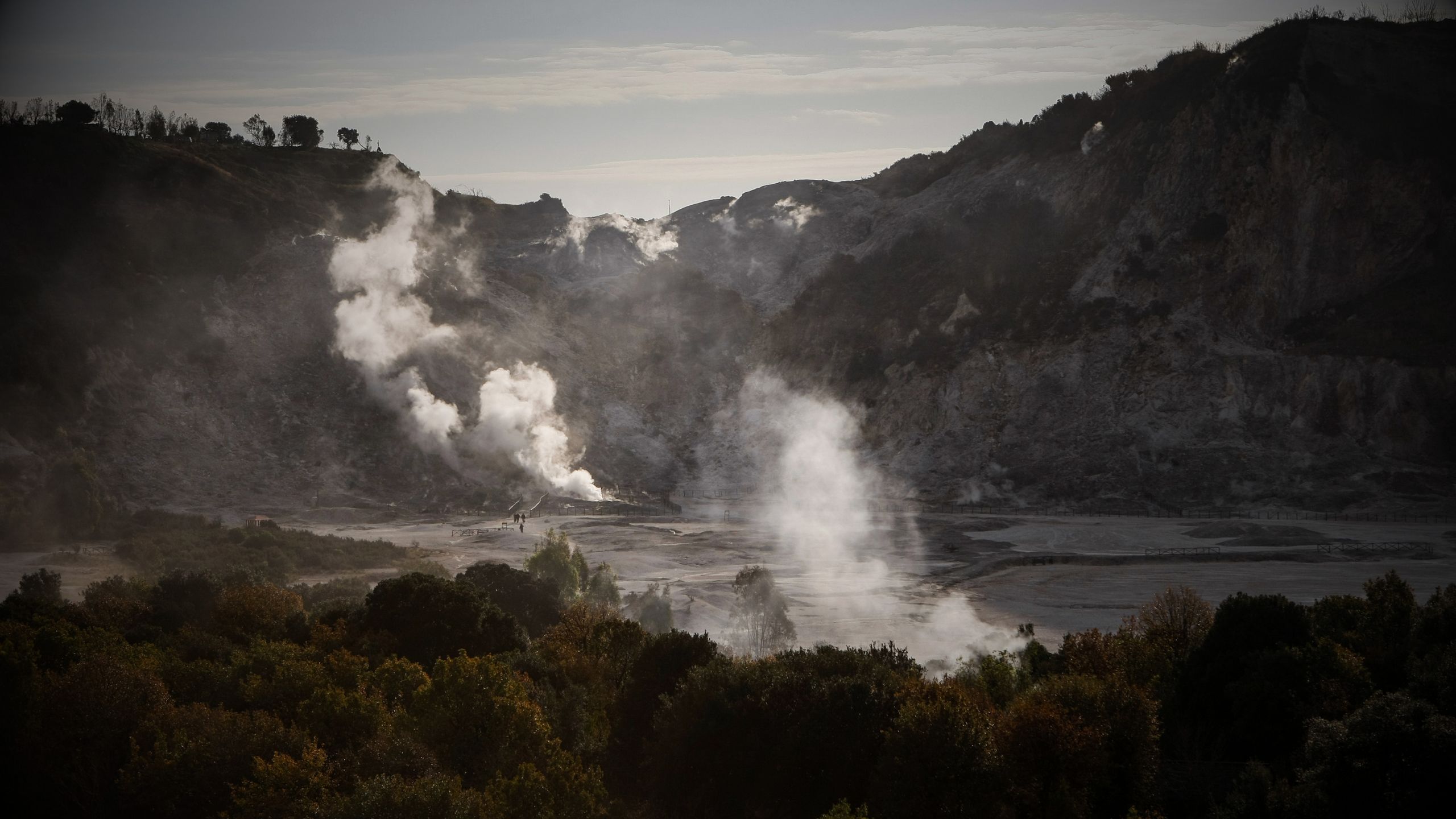
Campi Flegrei caldera near Naples Elevated Italy

Campi Flegrei

A restless caldera beneath the Naples region, monitored closely for earthquakes, ground uplift, gas emissions and changes in the hydrothermal system.

Type
Caldera
Area
About 12–15 km wide
Official alert
Yellow — Attention
Latest official picture

Campi Flegrei remains under Yellow — Attention status. INGV-OV published its latest weekly Campi Flegrei monitoring bulletin on 25 August; the system remains under close monitoring for bradyseism, seismicity, deformation and hydrothermal parameters.

INGV-OV / Civil Protection · weekly bulletin 25 Aug 2026
Open full profile
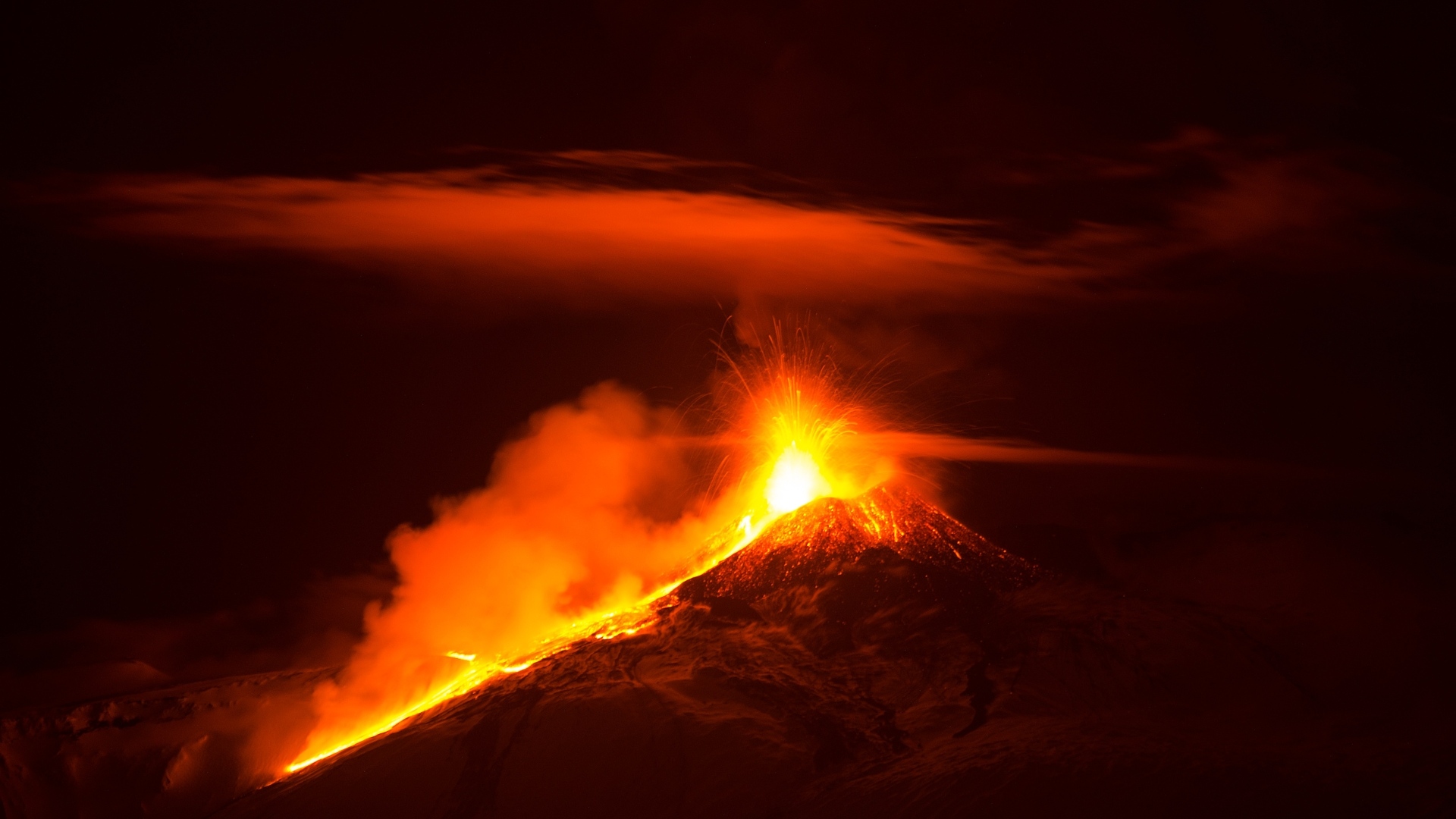
Mount Etna volcano Green Italy

Mount Etna

Europe’s tallest active volcano, known for summit explosions, lava fountains and rapidly changing crater activity.

Type
Complex stratovolcano
Elevation / area
3,369 m
Official alert
Aviation Green
Latest official picture

INGV-OE issued an end-of-phenomenon notice on 26 August, stating that the previously reported eruptive phenomena had ended. The VONA issued that morning returned Etna to Aviation Colour Code GREEN; the Smithsonian/USGS weekly report, citing INGV and Italian Civil Protection, also records the change to GREEN on 26 August.

INGV-OE · activity update and VONA 26 Aug 2026
Open full profile
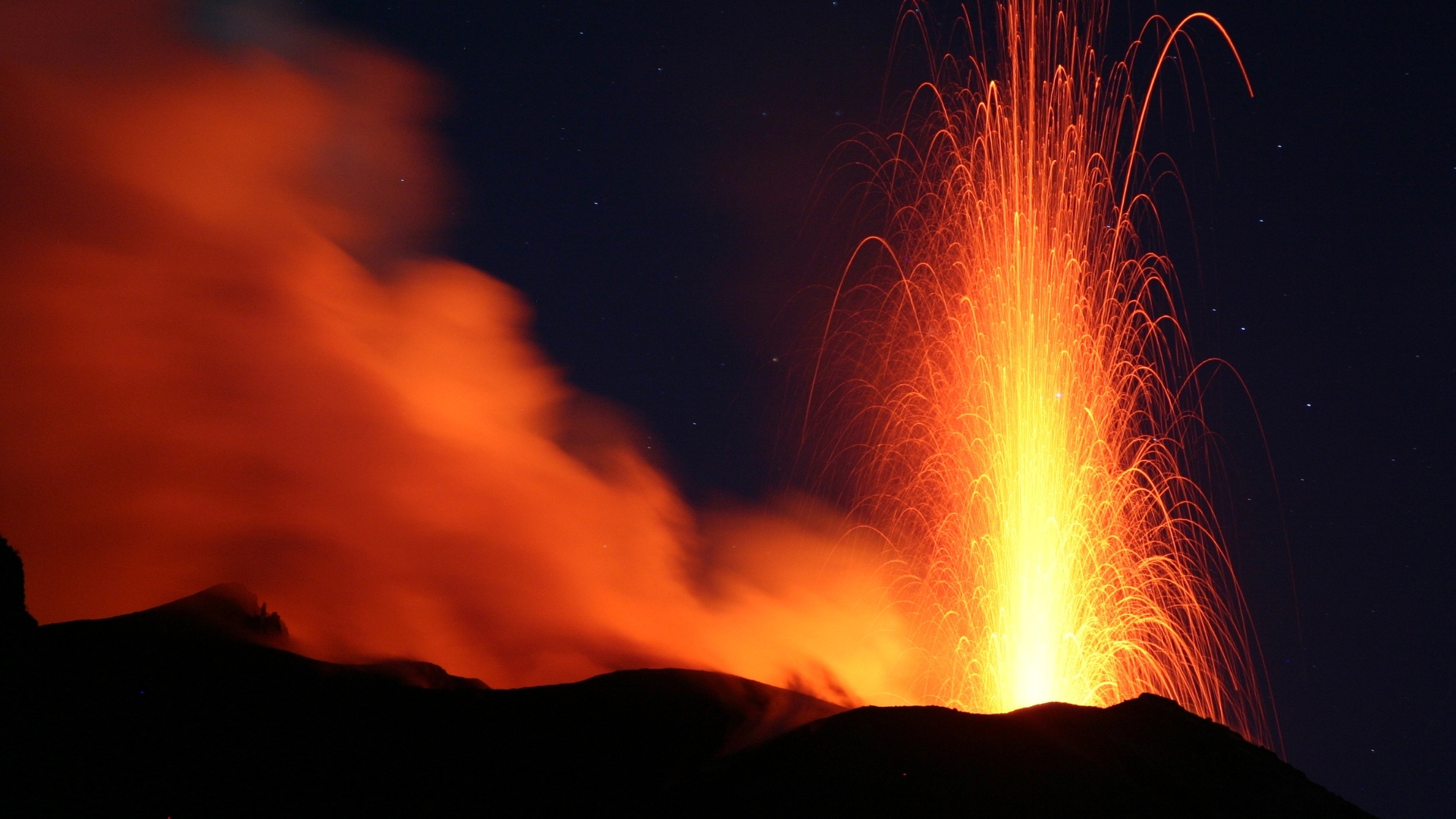
Stromboli volcano Erupting Italy

Stromboli

The ‘Lighthouse of the Mediterranean’, famous for frequent small explosions over thousands of years.

Type
Stratovolcano
Elevation / area
926 m
Official alert
Persistent Strombolian activity
Latest official picture

Ordinary Strombolian explosive activity continues at the summit crater areas. INGV-OE's latest multidisciplinary weekly bulletin for Stromboli was published on 25 August.

INGV-OE · weekly bulletin 25 Aug 2026
Open full profile
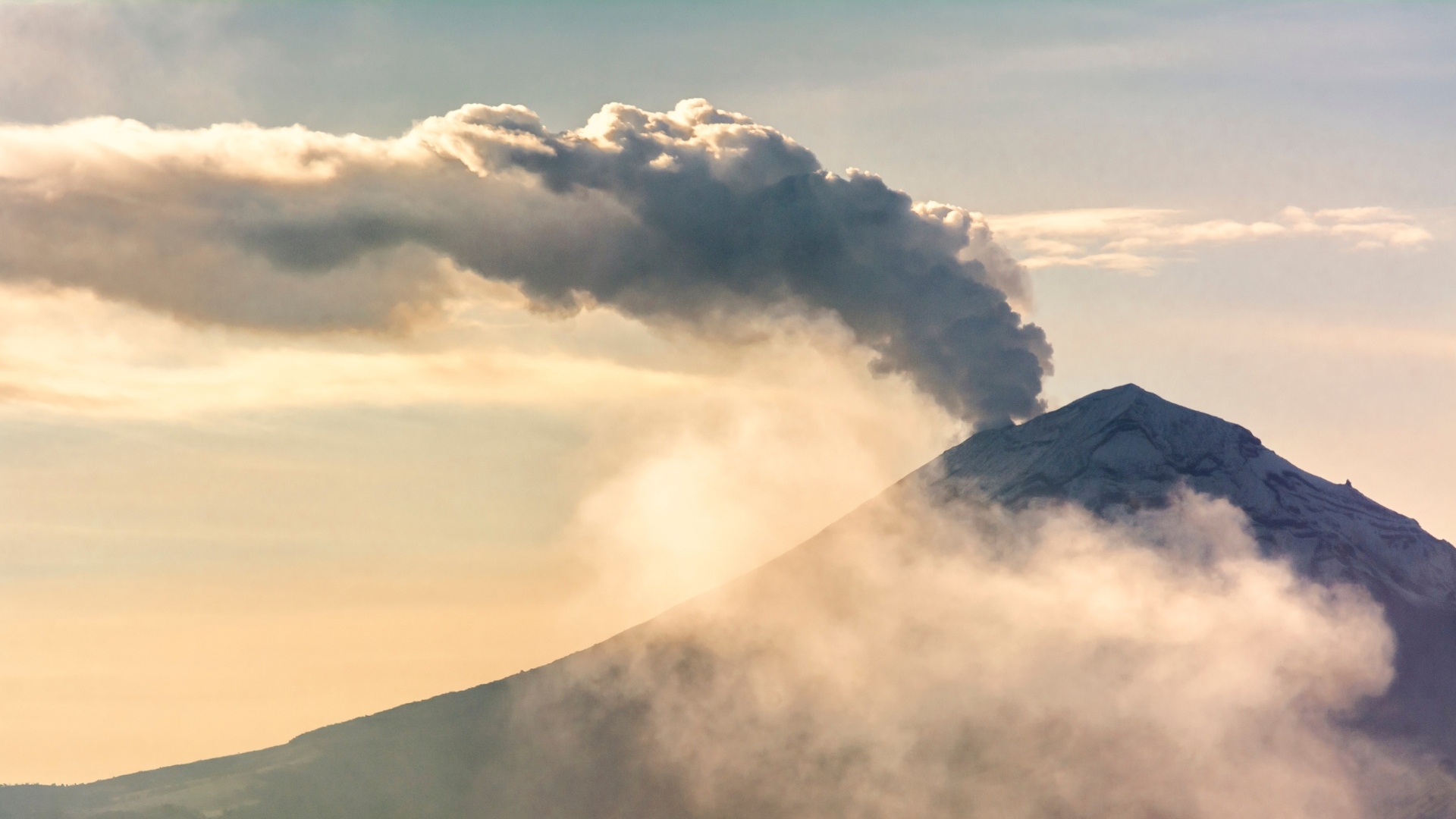
Popocatépetl volcano Erupting Mexico

Popocatépetl

A persistently active volcano near Mexico City producing exhalations, ash emissions and occasional explosions.

Type
Stratovolcano
Elevation / area
5,393 m
Official alert
Yellow Phase 2
Latest official picture

Popocatépetl remains at Yellow Phase 2. CENAPRED's 27 August report recorded four low-intensity exhalations accompanied by water vapour, volcanic gases and light ash, plus one volcano-tectonic earthquake of M1.6. The 12 km exclusion zone remains in force.

CENAPRED · daily report 27 Aug 2026
Open full profile
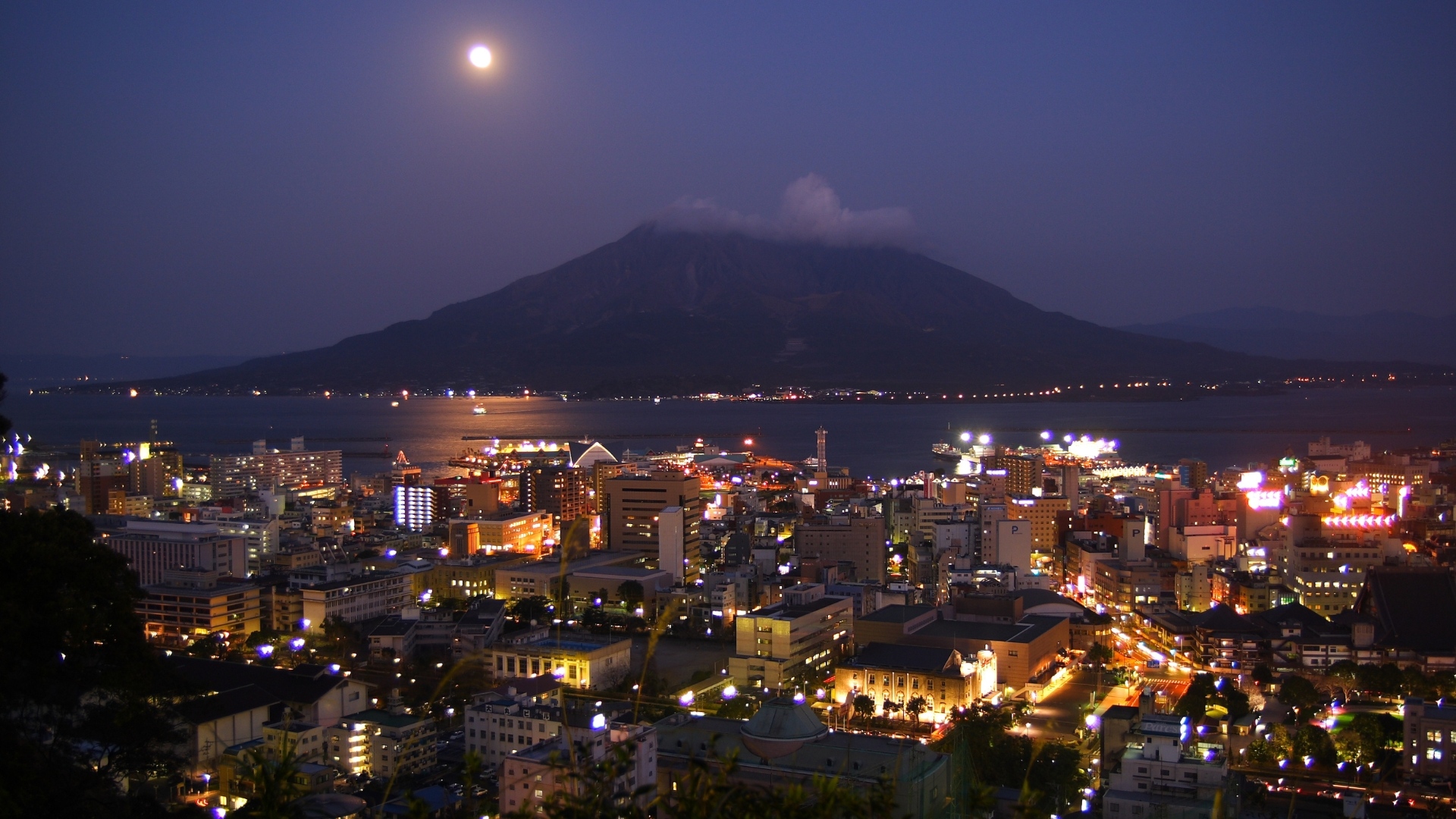
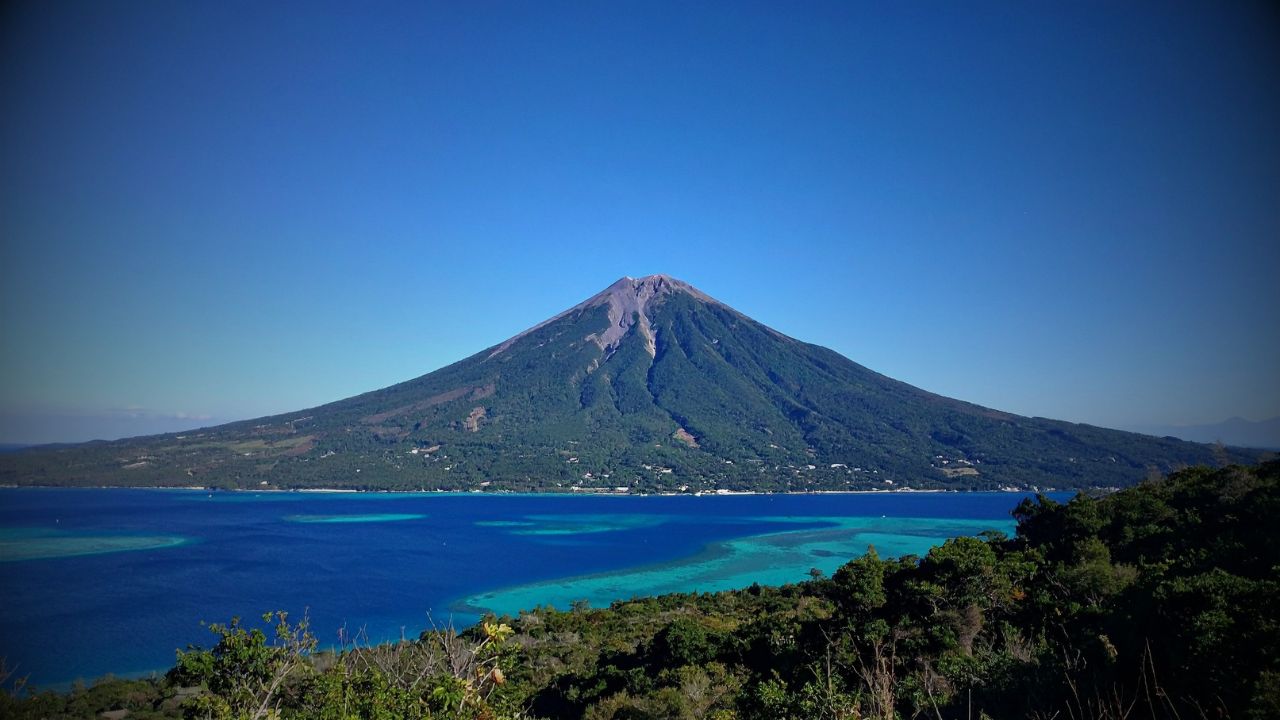
Sakurajima volcano Elevated Japan

Sakurajima

A persistently active Japanese volcano producing frequent explosive ash emissions close to Kagoshima city.

Type
Stratovolcano
Elevation / area
1,117 m
Official alert
Level 3 / 5 — Restriction around crater
Latest official picture

Sakurajima remains at Volcanic Alert Level 3, but recent activity has been relatively quiet. JMA reported only occasional very small eruptions at Minamidake during 21–24 August and no explosions during that period. Ground-deformation instruments began recording inflation of the edifice on 23 August, which was still continuing when JMA issued the 24 August update.

JMA · explanatory information No. 78, 24 Aug 2026
Open full profile
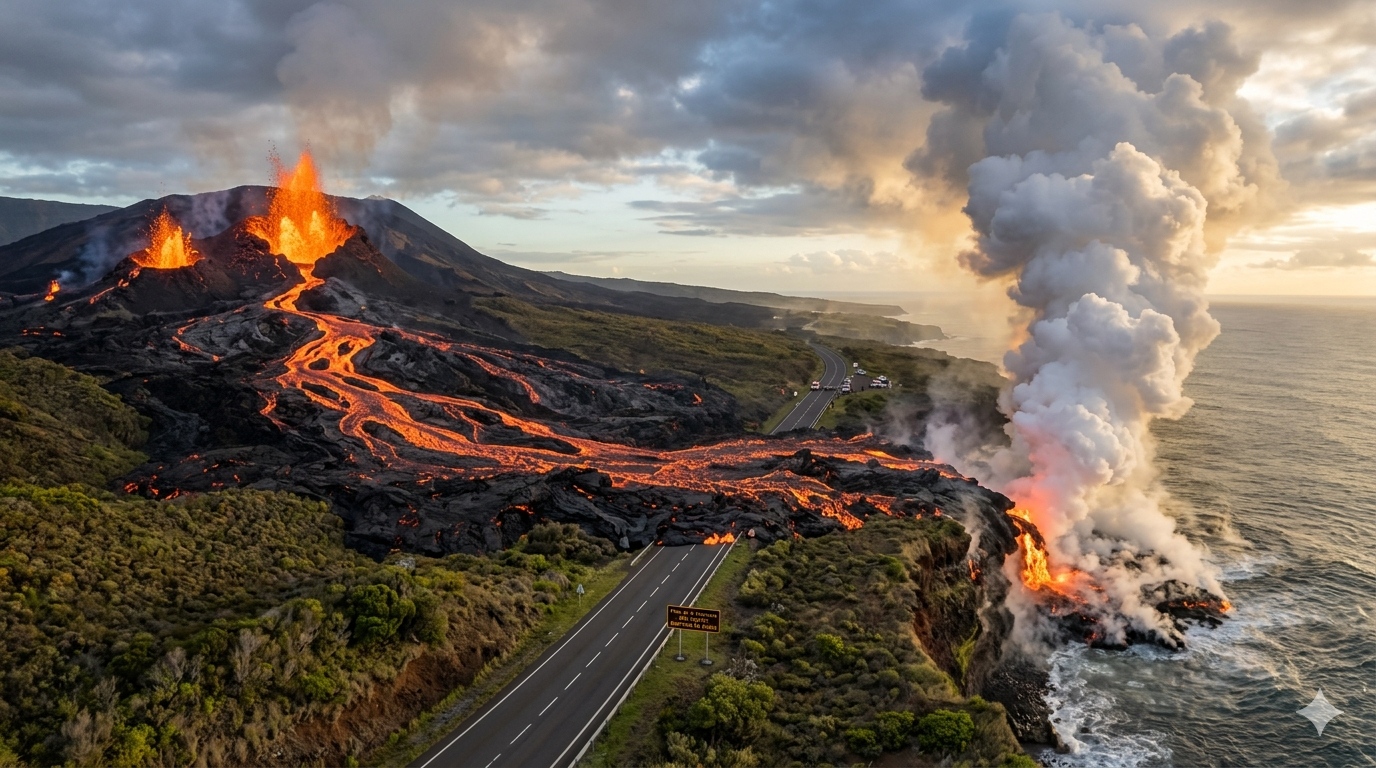
Piton de la Fournaise volcano At rest Réunion, France

Piton de la Fournaise

One of the world’s most active basaltic shield volcanoes, where eruptions frequently reshape Réunion’s eastern flank.

Type
Shield volcano
Elevation / area
2,632 m
Official alert
Vigilance
Latest official picture

No eruption is underway. OVPF-IPGP's preliminary bulletin for 26 August keeps Piton de la Fournaise at Vigilance. No summit or deep volcano-tectonic earthquakes were recorded that day.

OVPF-IPGP · preliminary activity bulletin 26 Aug 2026
Open full profile
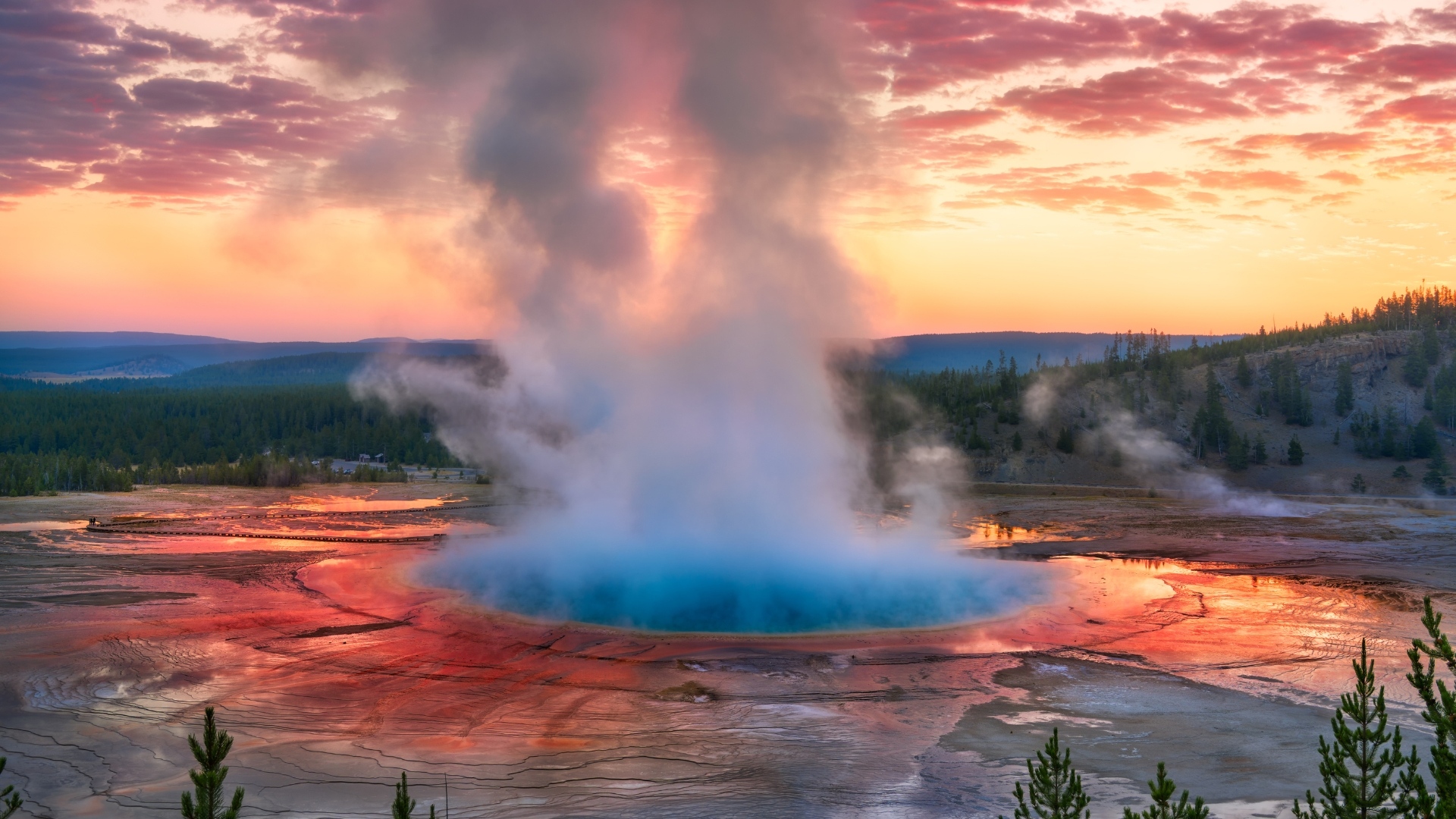
Yellowstone volcano Normal USA

Yellowstone

A vast volcanic and hydrothermal system known for geysers, hot springs and large prehistoric eruptions.

Type
Caldera / Lava dome
Elevation / area
2,805 m
Official alert
Normal / Aviation Green
Latest official picture

Yellowstone remains at background activity. YVO's 1 August monthly update reports 68 located earthquakes during July, with the largest M3.3, and only minor caldera uplift since the start of 2026.

USGS YVO · monthly update 1 Aug 2026
Open full profile
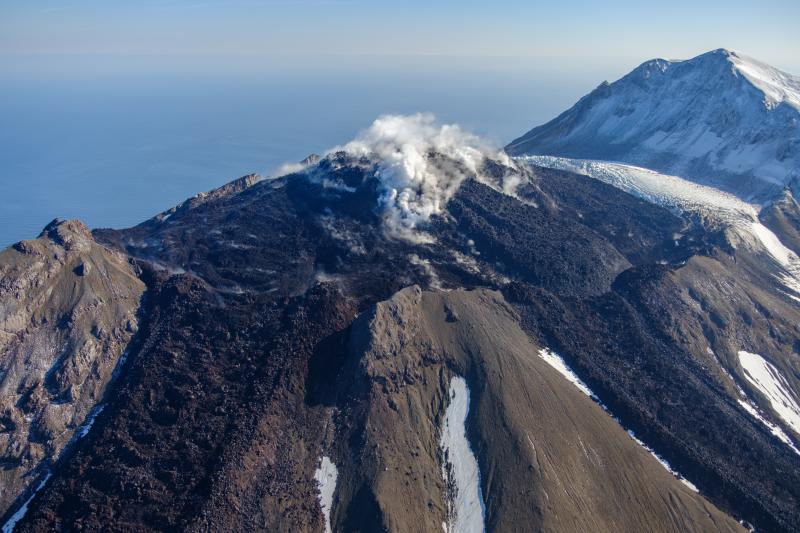
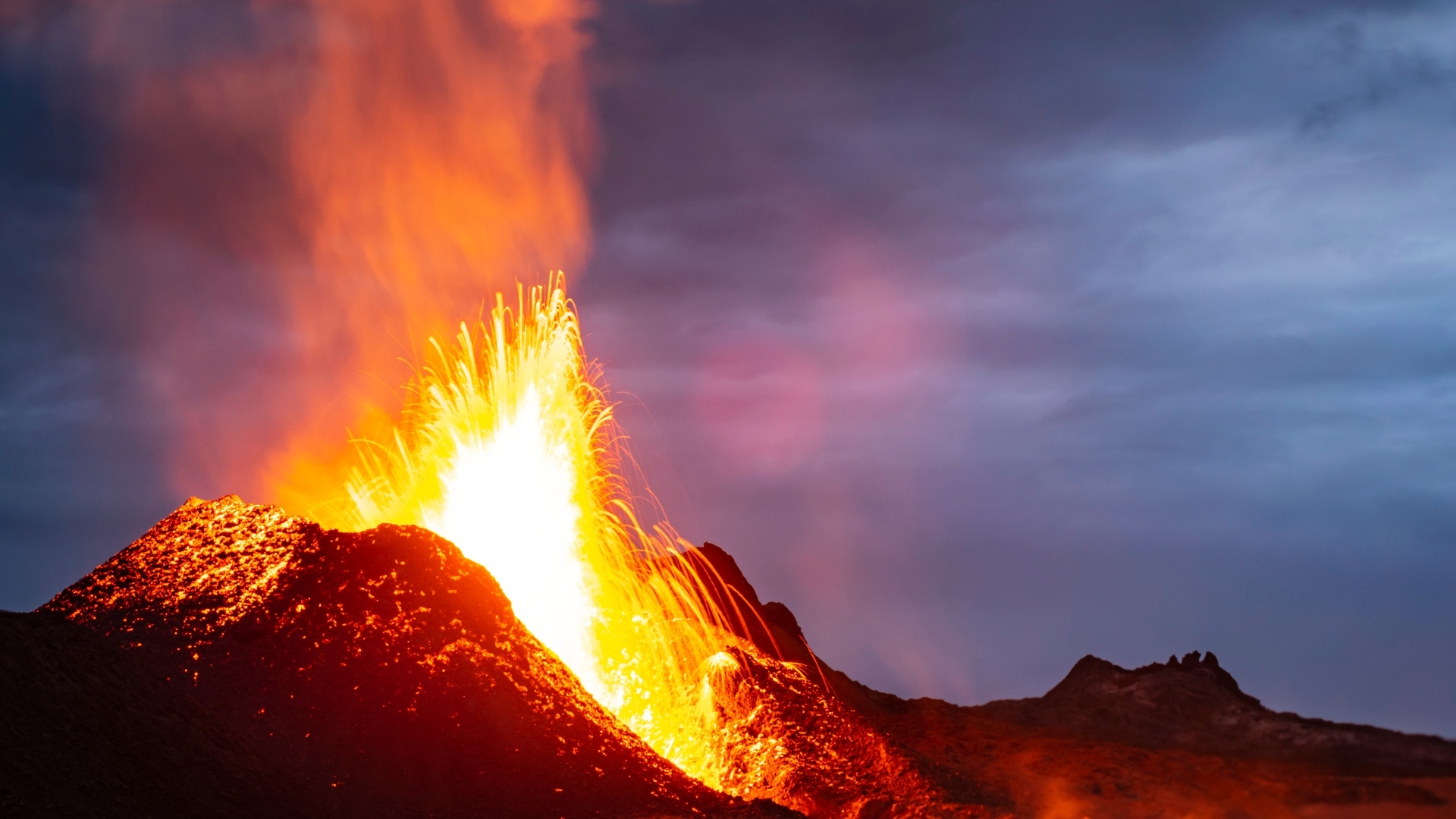
Great Sitkin volcano Erupting Alaska, USA

Great Sitkin

A central Aleutian volcano where slow lava effusion has continued inside the summit crater since 2021.

Type
Stratovolcano
Elevation / area
1,740 m
Official alert
Watch / Aviation Orange
Latest official picture

Slow eruption of lava within Great Sitkin's summit crater continues. AVO's 27 August update reports minor earthquakes during the previous day; cloudy satellite and webcam views prevented useful visual observations. AVO says the current lava eruption began in July 2021.

USGS AVO · daily update 27 Aug 2026
Open full profile
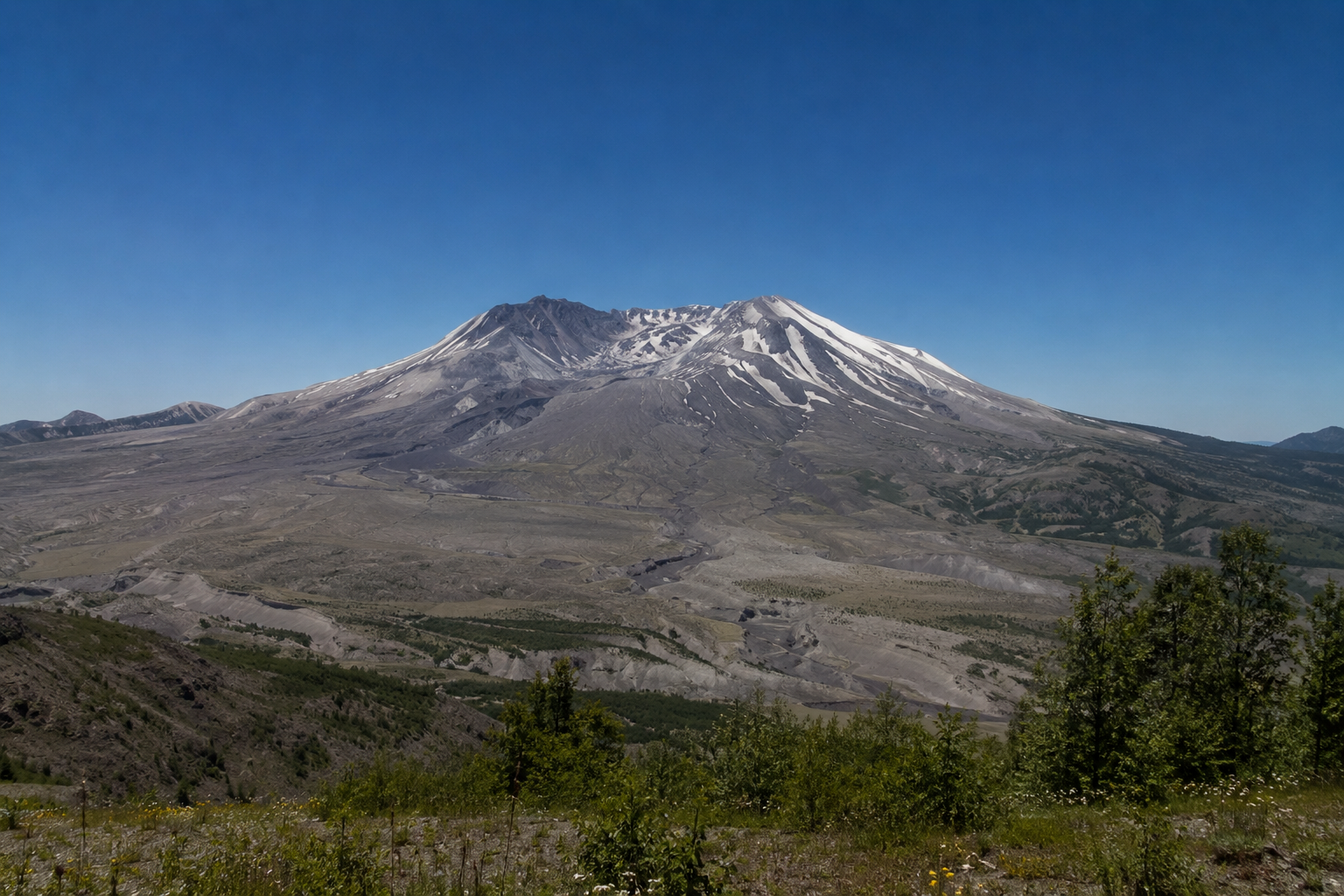
Mount St. Helens volcano Normal Washington, USA

Mount St. Helens

The most active volcano in the Cascades and the site of the catastrophic 1980 lateral-blast eruption.

Type
Stratovolcano
Elevation / area
2,549 m
Official alert
Normal / Green
Latest official picture

Mount St. Helens remains at normal background activity. CVO's 21 August weekly update keeps all Cascade Range volcanoes in Washington and Oregon at NORMAL / GREEN; small earthquakes were detected at Mount St. Helens and Mount Rainier during that week, with all monitoring data consistent with background activity.

USGS CVO · weekly update 21 Aug 2026
Open full profile
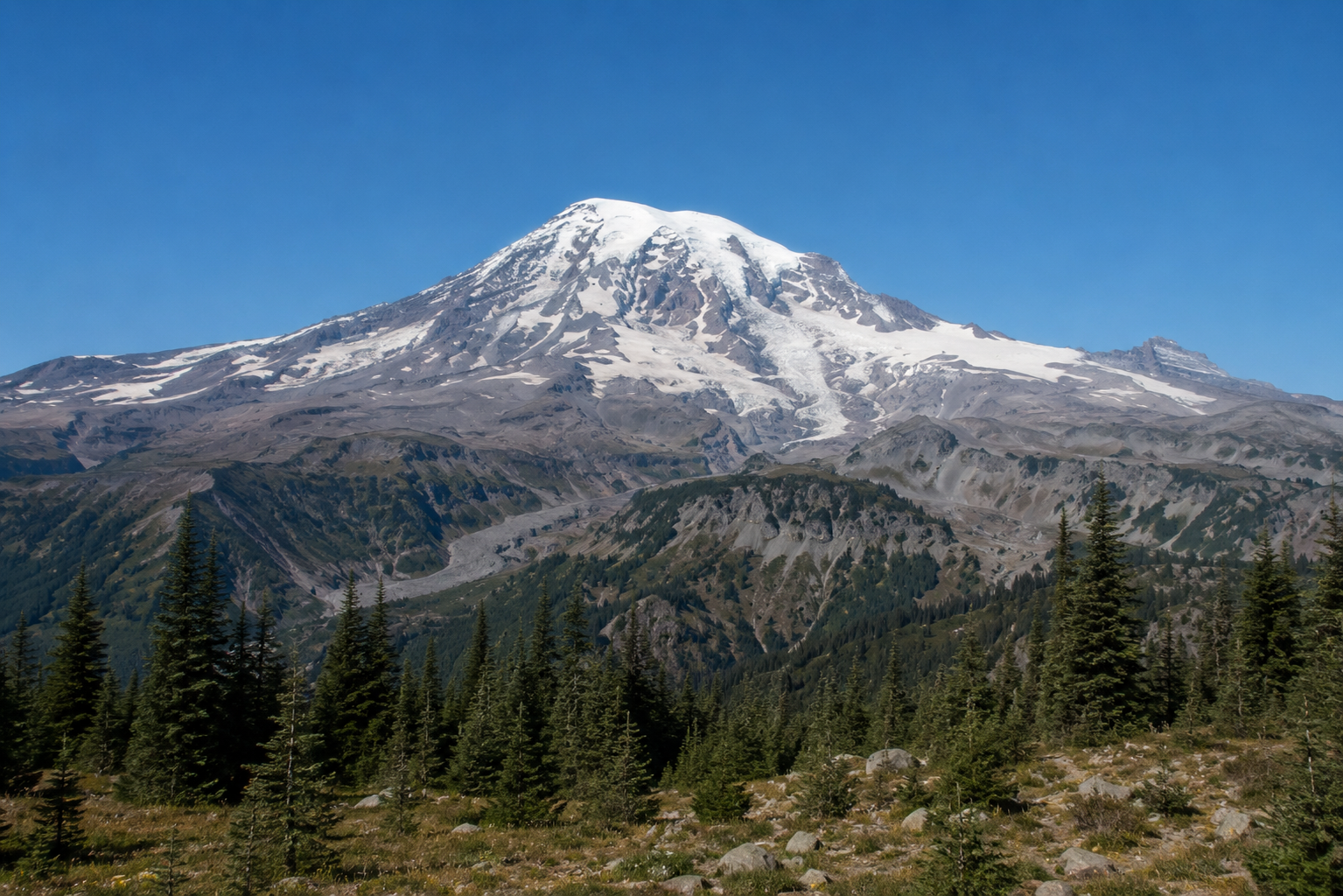
Mount Rainier volcano Normal Washington, USA

Mount Rainier

A heavily glaciated Cascade volcano whose greatest long-term threat is fast-moving lahars.

Type
Stratovolcano
Elevation / area
4,392 m
Official alert
Normal / Green
Latest official picture

Mount Rainier remains at normal background activity. CVO's 21 August weekly update keeps all Cascade Range volcanoes in Washington and Oregon at NORMAL / GREEN; small earthquakes were detected at Mount Rainier and Mount St. Helens during that week, with all monitoring data consistent with background activity.

USGS CVO · weekly update 21 Aug 2026
Open full profile
Mayon volcano Erupting Philippines

Mayon

A near-symmetrical stratovolcano in Albay with active lava-flow, rockfall and pyroclastic-current hazards.

Type
Stratovolcano
Elevation / area
2,462 m
Official alert
Level 2 / 5 — Decreased Unrest
Latest official picture

Mayon remains at Alert Level 2 (Decreased Unrest). PHIVOLCS' 28 August bulletin records one weak ash-explosion event lasting one minute, 15 volcanic earthquakes, a moderate plume reaching 500 m above the crater, and sulfur dioxide flux of 5,878 tonnes/day measured on 27 August. The 6 km Permanent Danger Zone remains off-limits.

PHIVOLCS · 24-hour bulletin 28 Aug 2026
Open full profile
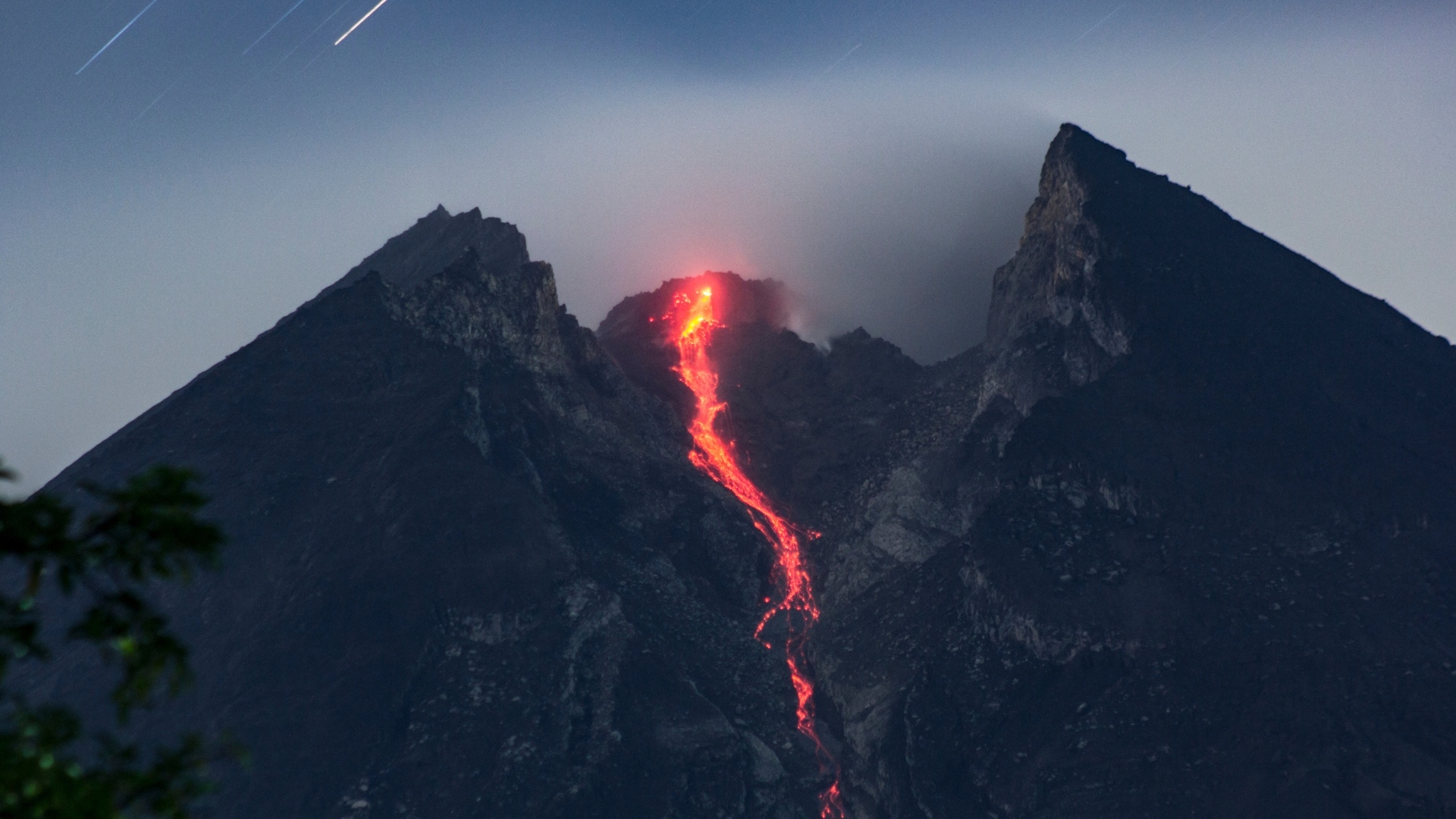
Merapi volcano Erupting Indonesia

Merapi

Indonesia’s most active volcano, feared for dome-collapse pyroclastic flows affecting densely populated valleys.

Type
Stratovolcano / Lava dome
Elevation / area
2,910 m
Official alert
Level III / 4 — Siaga
Latest official picture

Merapi remains at Level III (Siaga). Official PVMBG/BPPTKG reporting continues to describe active lava-dome growth and lava avalanches, with pyroclastic-density-current hazards concentrated in the established hazard sectors.

PVMBG / BPPTKG · official August 2026 status
Open full profile
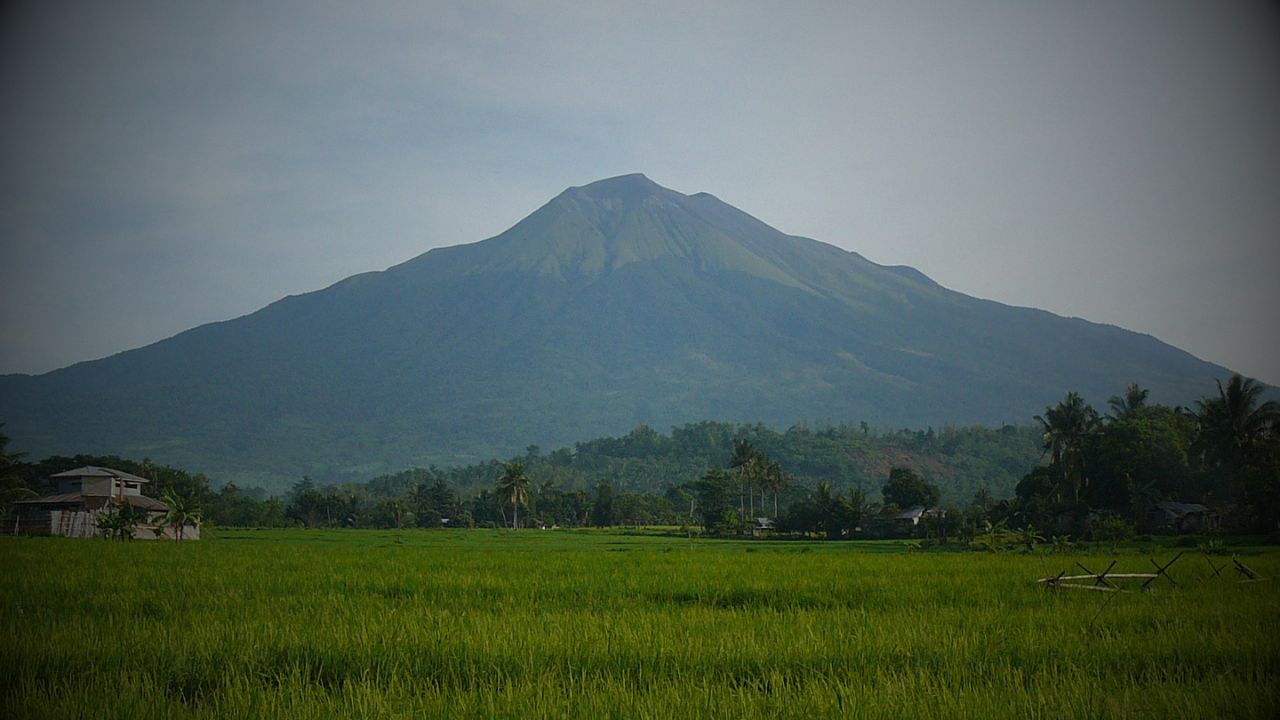
Kanlaon volcano Elevated Philippines

Kanlaon

The most active volcano on Negros Island, with recurring explosive activity and pyroclastic-density-current hazards.

Type
Stratovolcano
Elevation / area
2,465 m
Official alert
Level 2 / 5 — Increased Unrest
Latest official picture

Kanlaon remains at Alert Level 2 (Increased Unrest). PHIVOLCS' 28 August bulletin records no volcanic earthquakes in the previous 24 hours, a moderate plume reaching 200 m above the crater, sulfur dioxide flux of 721 tonnes/day on 27 August, and continuing inflation of the edifice with short-term deflation. The 4 km Permanent Danger Zone remains prohibited.

PHIVOLCS · 24-hour bulletin 28 Aug 2026
Open full profile
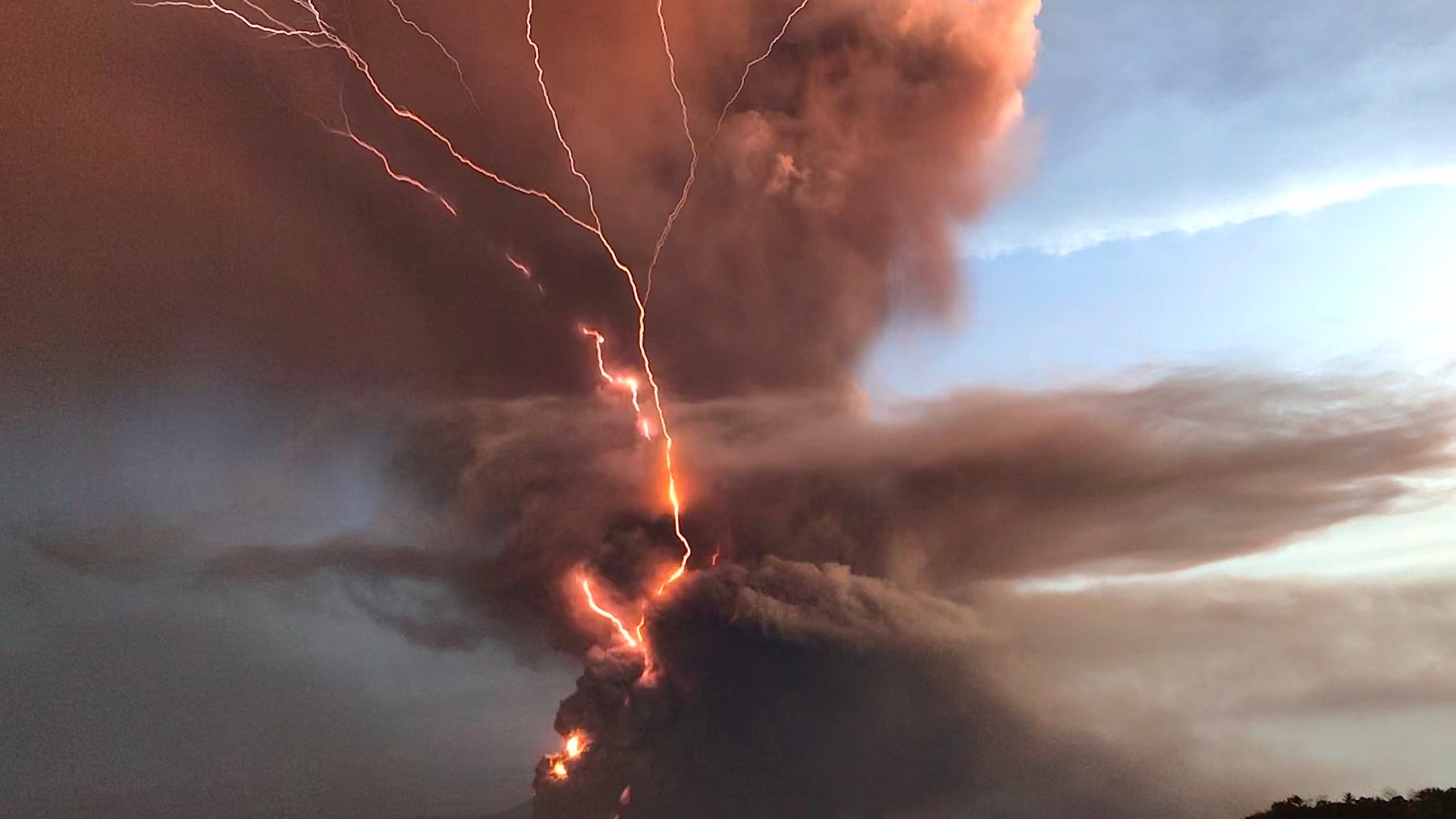
Taal volcano Unrest Philippines

Taal

A complex caldera system where volcanic activity occurs on an island within Taal Lake.

Type
Caldera
Elevation / area
311 m
Official alert
Level 1 / 5 — Low-level Unrest
Latest official picture

Taal remains at Alert Level 1 (Low-level Unrest). PHIVOLCS' 28 August bulletin records 18 volcanic earthquakes, including one volcanic tremor lasting 504 minutes, weak plume emission, sulfur dioxide flux of 381 tonnes/day on 27 August, and short-term inflation of Taal Volcano Island.

PHIVOLCS · 24-hour bulletin 28 Aug 2026
Open full profile
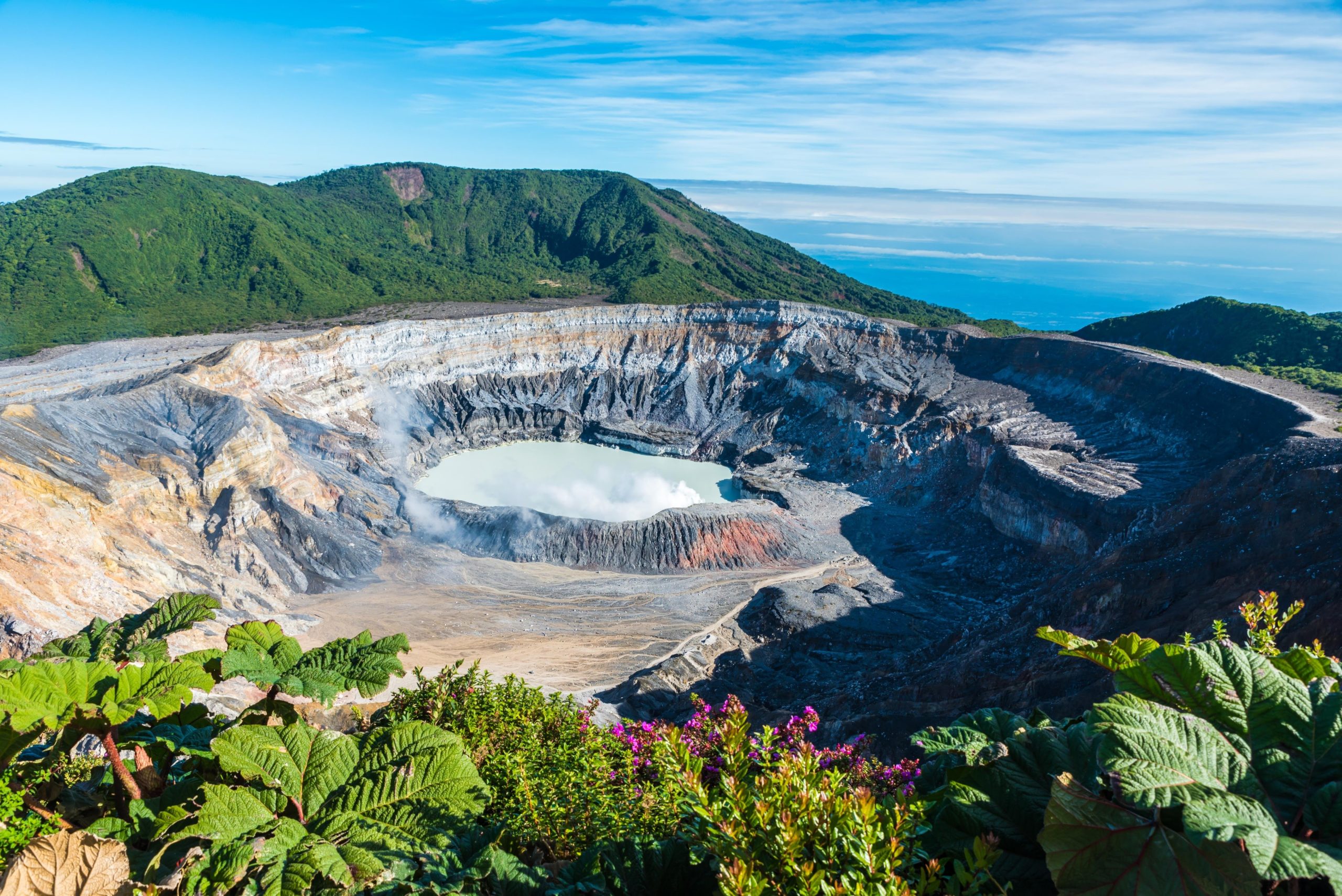
Poás volcano Warning Costa Rica

Poás

A crater-lake volcano known for vigorous gas emissions and intermittent phreatic explosions.

Type
Stratovolcano
Elevation / area
2,708 m
Official alert
Level 2 / 4 — Warning
Latest official picture

Poás remains at OVSICORI-UNA activity Level 2 (Warning) in the latest detailed official Poás communication located for this review. That 30 April update described instability of the shallow system and said further eruptions involving ash, gas and ballistic material around the crater could occur.

OVSICORI-UNA · latest detailed Poás communication located, 30 Apr 2026
Open full profile
Dukono volcano Erupting Indonesia

Dukono

A persistently active Halmahera volcano producing frequent ash emissions during a decades-long eruption.

Type
Complex volcano
Elevation / area
1,087 m
Official alert
Level II / 4
Latest official picture

Eruptive activity continued during 20–26 August. PVMBG reported white-and-gray ash plumes rising as high as 1.4 km above the summit. Alert Level remained II and the 4 km exclusion zone around Malupang Warirang Crater remained in force.

PVMBG · 20–26 Aug activity via Smithsonian/USGS GVP weekly report
Open full profile
Ibu volcano Erupting Indonesia

Ibu

A persistently active Halmahera volcano producing frequent explosions, ash and summit incandescence.

Type
Stratovolcano
Elevation / area
1,325 m
Official alert
Level II / 4
Latest official picture

Eruptive activity continued during 20–26 August, with daily eruptive events and ash plumes rising about 300–1,000 m above the summit. PVMBG kept Ibu at Level II with the established exclusion distances around the active crater.

PVMBG · 20–26 Aug activity via Smithsonian/USGS GVP weekly report
Open full profile
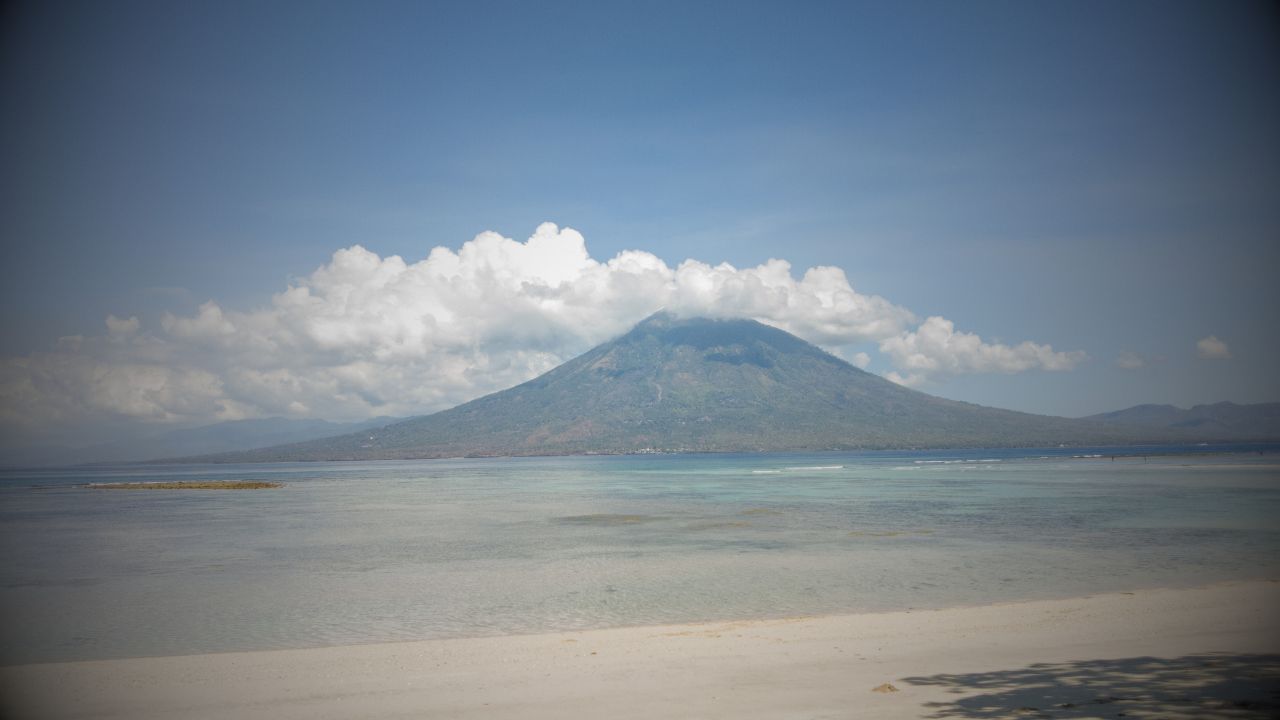
Lewotolok volcano Erupting Indonesia

Lewotolok

An active volcano on Lembata Island producing repeated explosions, ash emissions and occasional incandescence.

Type
Stratovolcano
Elevation / area
1,423 m
Official alert
Level II / 4
Latest official picture

Eruptive activity continued during 20–26 August. PVMBG reported incandescent ejecta and active lava flows, including a 1.2 km flow on the south flank and about 500 m on the northeast flank; an ash plume on 24 August rose about 400 m above the summit. Alert Level remained II.

PVMBG · 20–26 Aug activity via Smithsonian/USGS GVP weekly report
Open full profile
Semeru volcano Erupting Indonesia

Semeru

Java’s highest volcano, producing frequent summit explosions and dangerous pyroclastic flows.

Type
Stratovolcano
Elevation / area
3,676 m
Official alert
Level III / 4 — Siaga
Latest official picture

Semeru remained at Level III (Siaga) during the latest verified reporting period. PVMBG reported daily eruptive events during 20–26 August, with ash plumes rising about 400–1,100 m above the summit and occasional summit incandescence.

PVMBG · 20–26 Aug activity via Smithsonian/USGS GVP weekly report
Open full profile
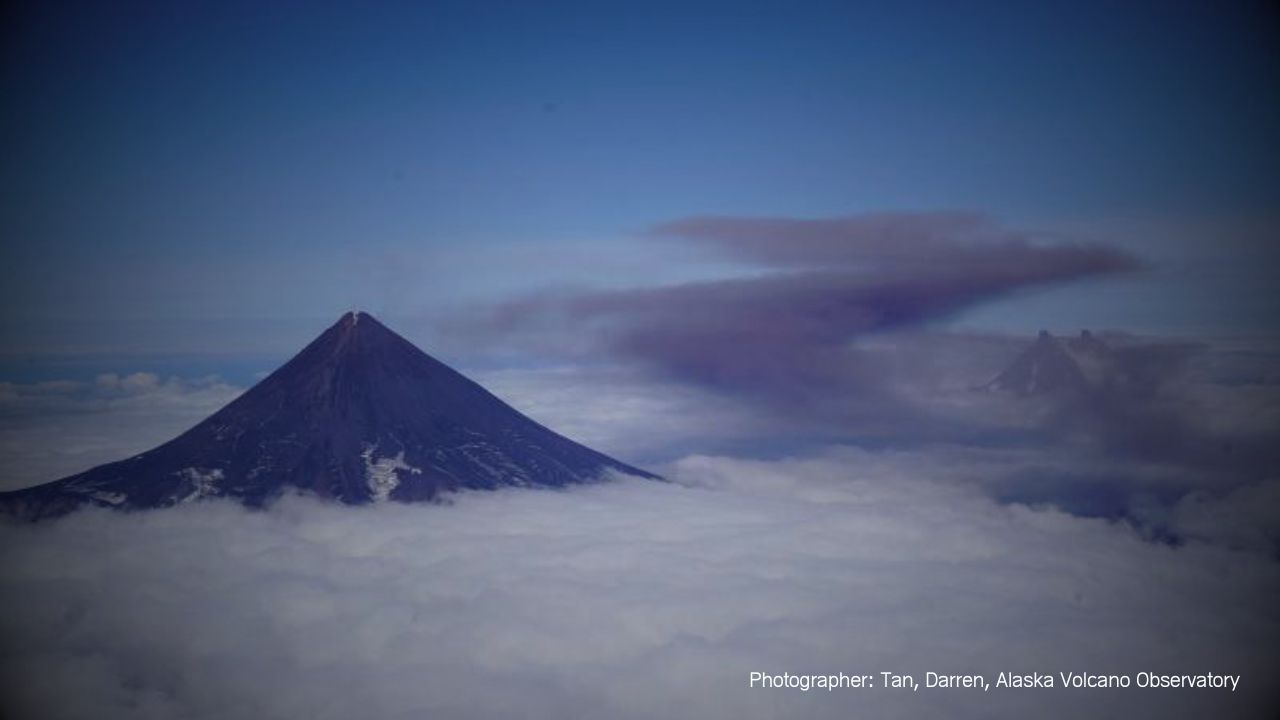
Shishaldin volcano Caution Alaska, USA

Shishaldin

A highly active Aleutian stratovolcano with persistent seismic, gas and infrasound unrest.

Type
Stratovolcano
Elevation / area
2,857 m
Official alert
Advisory / Aviation Yellow
Latest official picture

Shishaldin remains at ADVISORY / YELLOW. AVO's 27 August update reports continued minor seismic activity; no activity was observed through cloudy satellite and webcam views, while sulfur dioxide emissions were detected by satellite.

USGS AVO · daily update 27 Aug 2026
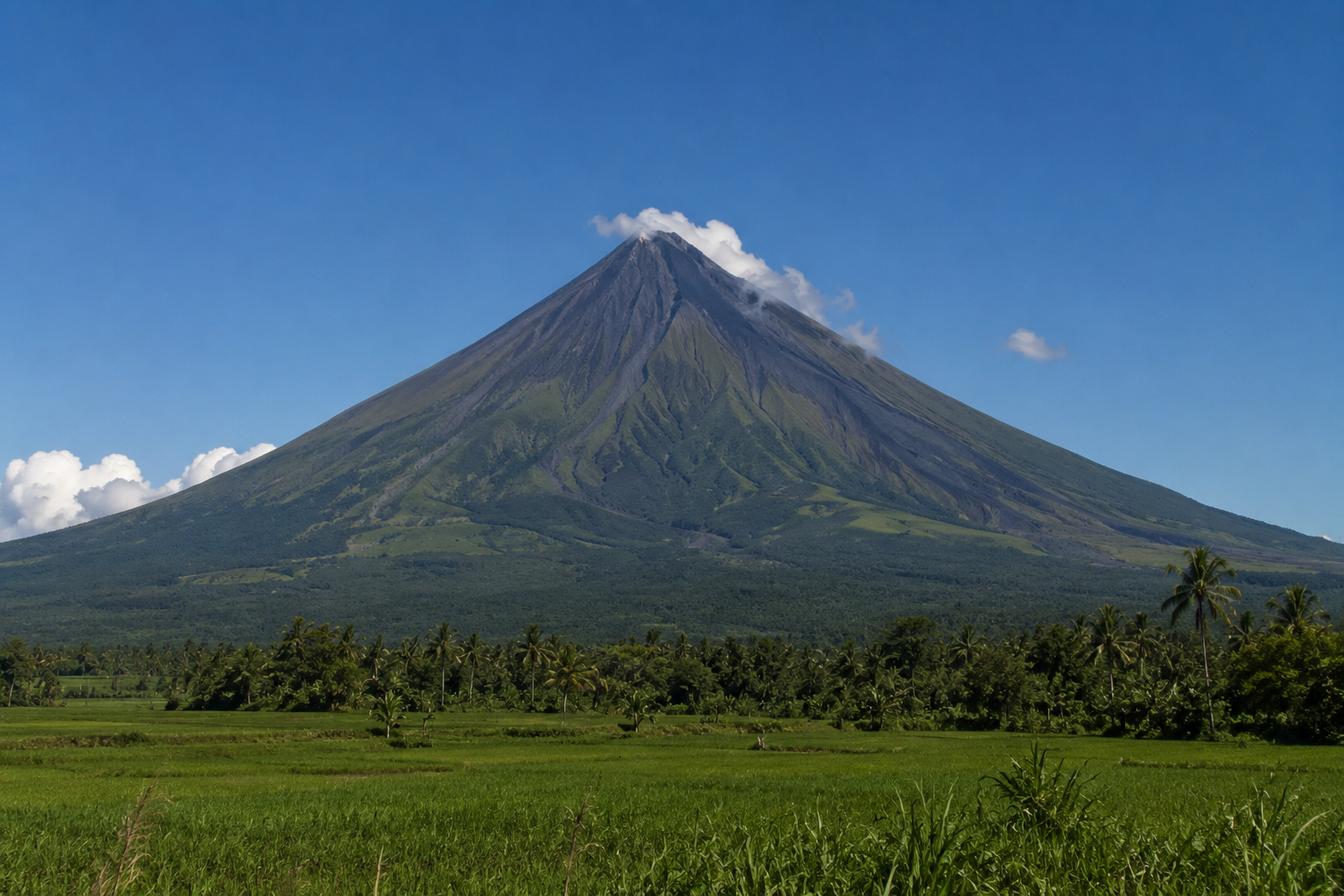
Open full profile
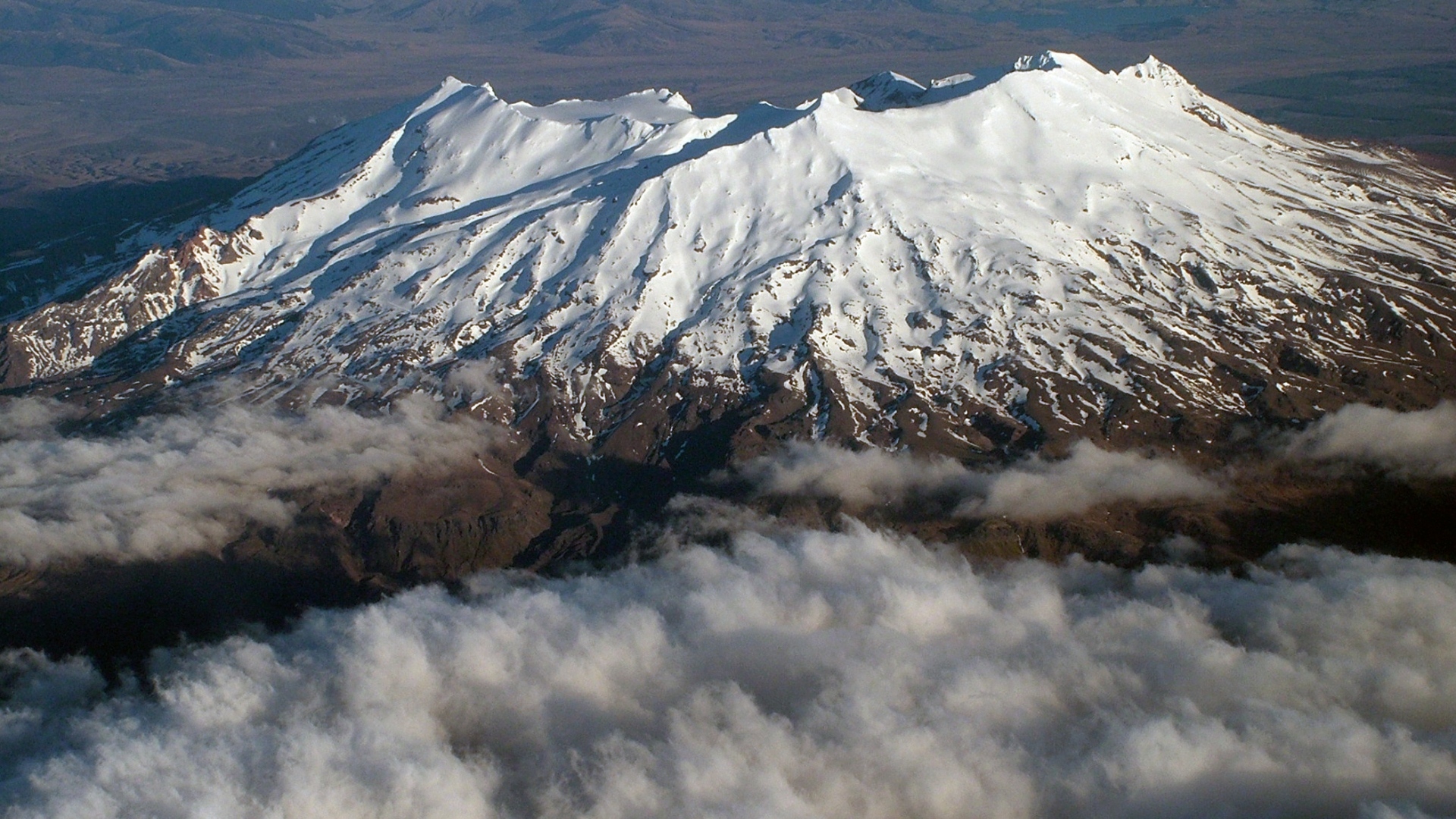
Ruapehu volcano Minor unrest New Zealand

Ruapehu

New Zealand’s most active volcano, with a hazardous summit crater lake and recurring lahar risk.

Type
Stratovolcano
Elevation / area
2,797 m
Official alert
Level 1 / Aviation Green
Latest official picture

Ruapehu remains at Volcanic Alert Level 1 and Aviation Colour Code Green. GeoNet's latest bulletin says volcanic tremor decreased from moderate to weak, with minimal change in measured gas emissions or Te Wai ā-moe (Crater Lake) temperature.

GeoNet · volcanic activity bulletin 11 Aug 2026
Open full profile
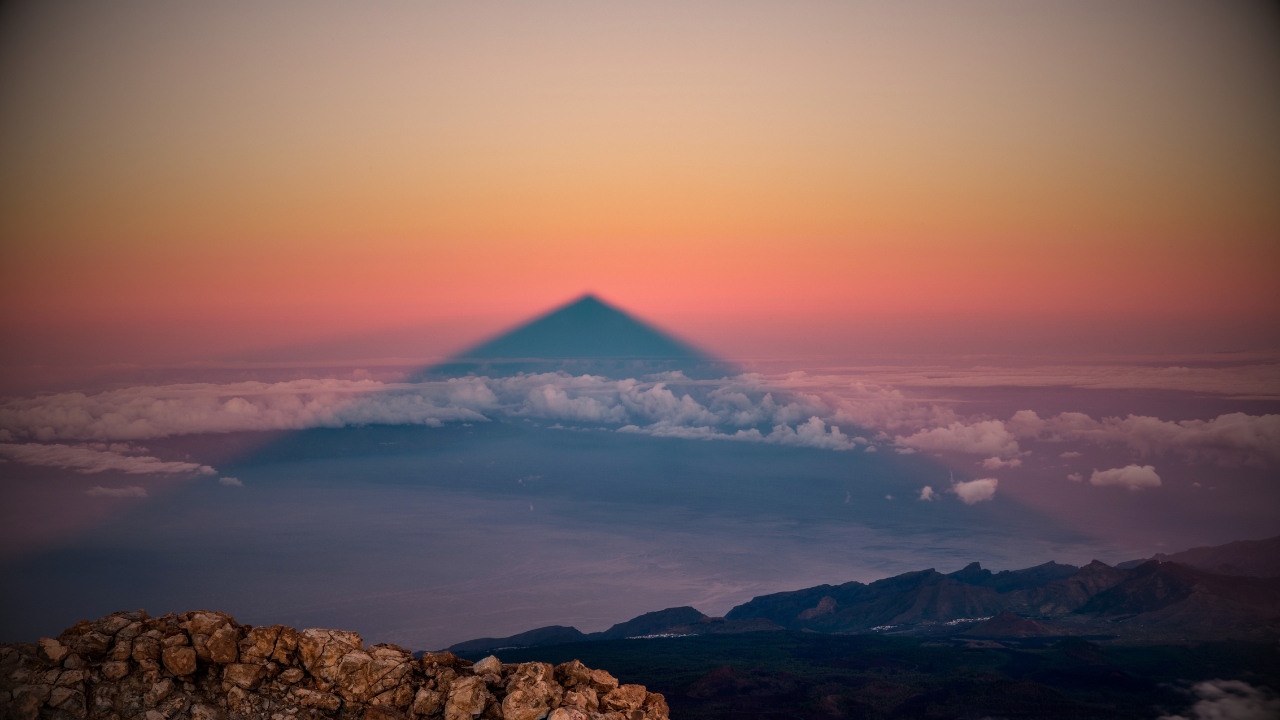
Teide volcano Monitored Tenerife, Spain

Teide

Spain’s highest peak, monitored closely following recurring deep seismic swarms during 2026.

Type
Stratovolcano
Elevation / area
3,715 m
Official status
24/7 official monitoring
Latest official picture

IGN's July 2026 Canary Islands monitoring summary located 611 earthquakes in central Tenerife, mainly within the Las Cañadas del Teide complex. IGN continues 24/7 seismic and deformation monitoring; the July report does not declare an eruption.

IGN · July 2026 Canary Islands volcanic monitoring summary
Open full profile
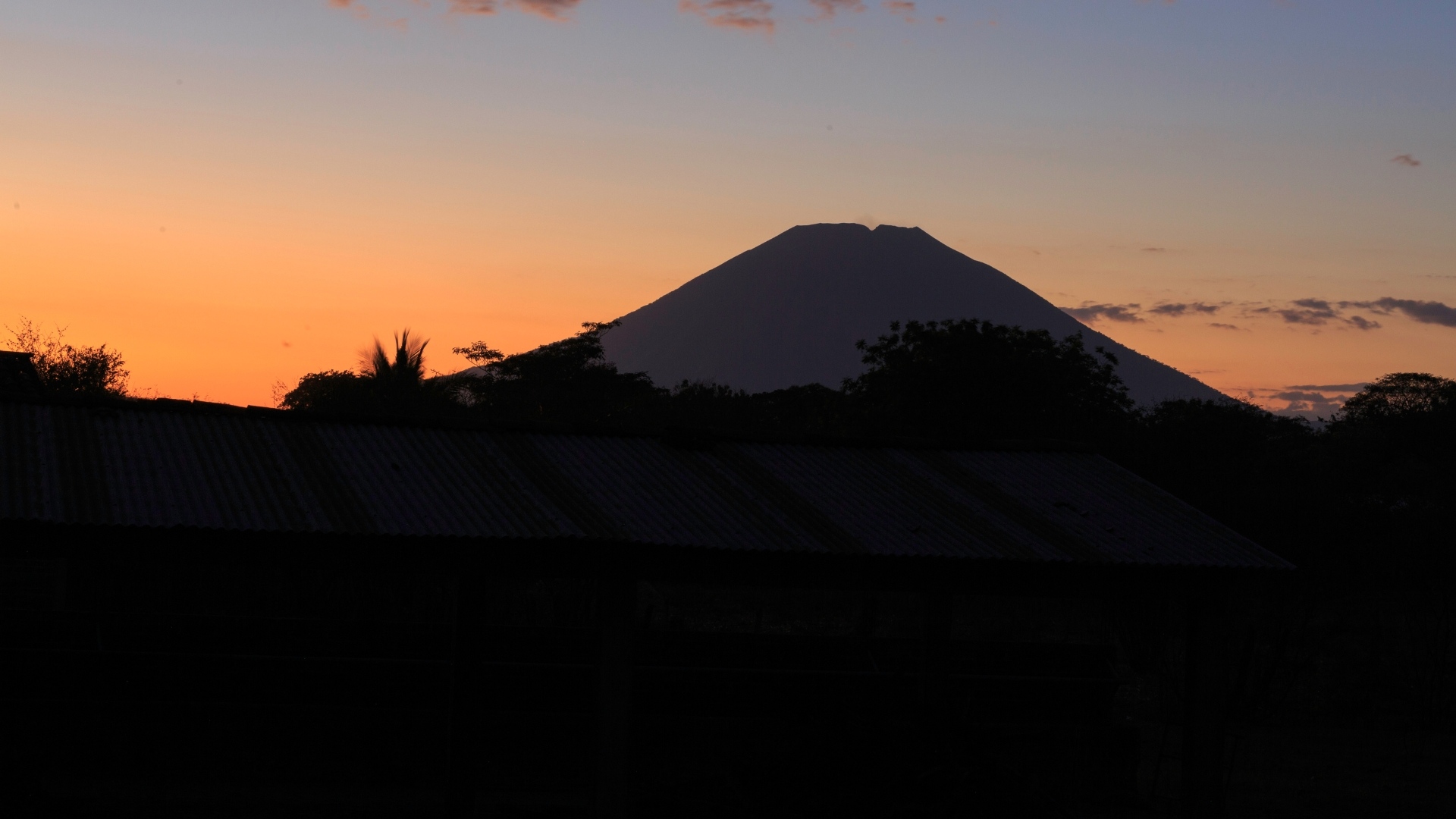
San Miguel volcano Monitored El Salvador

San Miguel

Also known as Chaparrastique, this steep cone is one of El Salvador’s most active volcanoes.

Type
Stratovolcano
Elevation / area
2,130 m
Official alert
No new escalation verified
Latest official picture

San Miguel (Chaparrastique) remains under national monitoring. No recent MARN eruptive-escalation bulletin was located during this 28 August review, so this card does not infer a current increase or eruption.

MARN El Salvador · official material reviewed 28 Aug 2026
Open full profile
Colima volcano Low activity Mexico

Colima

One of North America’s most active volcanic complexes, dominating the western Mexican Volcanic Belt.

Type
Stratovolcano
Elevation / area
3,850 m
Official alert
Passive degassing / 6 km exclusion zone
Latest official picture

The latest official Colima state civil-protection bulletin located for this review covers 21–27 July. It reported one low-intensity explosion, five small lahars and intermittent summit degassing, describing the volcano as being in a phase of passive degassing with some low-intensity explosions. A 6 km exclusion zone remained in force.

UEPC Colima / Universidad de Colima · bulletin covering 21–27 Jul 2026
Open full profile
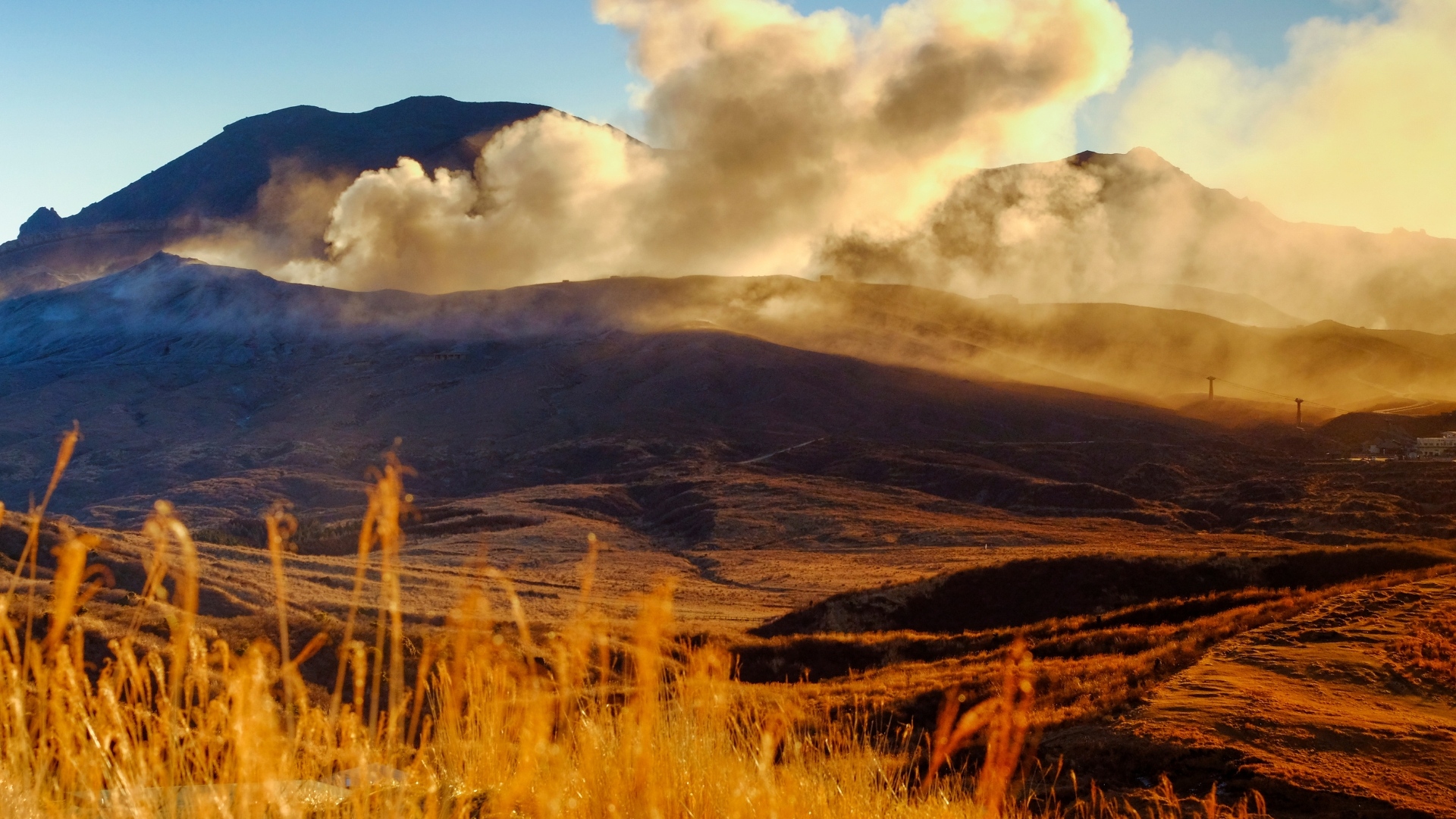
Mount Aso volcano Level 3 Japan

Mount Aso

One of the world’s largest active volcanic calderas, monitored closely by the Japan Meteorological Agency.

Type
Stratovolcano / Caldera
Elevation / area
1,592 m
Official alert
Level 3 / 5 — Do not approach volcano
Latest official picture

Aso remains at Volcanic Alert Level 3. JMA's latest detailed update located for this review, issued 24 August, says volcanic tremor remained generally low but magma accumulation at depth was still indicated by GNSS, and an eruption affecting an area within roughly 2 km of Nakadake First Crater remained possible.

JMA · explanatory information No. 18, 24 Aug 2026
Open full profile
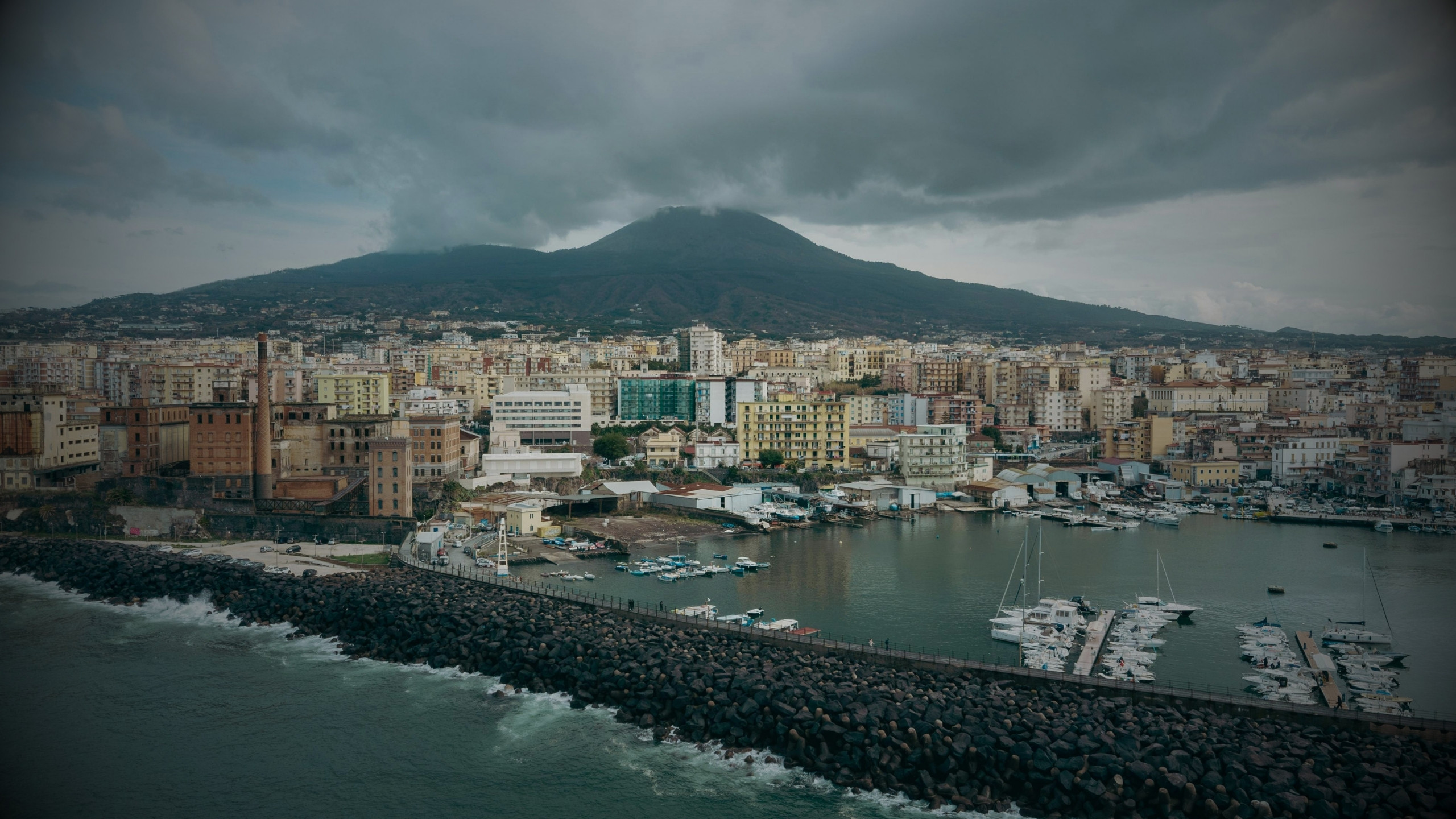
Vesuvius volcano Green Italy

Vesuvius

The Somma–Vesuvius complex above Naples, famous for AD 79 but capable of a much wider range of explosive and effusive behaviour.

Type
Somma stratovolcano
Elevation / area
1,281 m
Official alert
Green — Base
Latest official picture

Vesuvius remains at Green / base level in the official Italian alert system. INGV-OV continues routine monitoring; no official alert-level escalation was identified in the current material reviewed for this update.

INGV-OV / Italian Civil Protection · official status reviewed 28 Aug 2026
Open full profile
Nevado del Ruiz volcano Yellow Colombia

Nevado del Ruiz

A glacier-clad Andean stratovolcano where ash and hot material can generate dangerous long-runout lahars through surrounding river valleys.

Type
Stratovolcano
Elevation / area
5,321 m
Official alert
Yellow — Active volcano with changes
Latest official picture

Nevado del Ruiz remains at Yellow alert. SGC's latest weekly bulletin covers activity from 18–24 August and retains the Yellow alert status.

Servicio Geológico Colombiano · weekly bulletin 25 Aug 2026
Open full profile
Quick comparison

Different volcanoes, different alert systems

Alert numbers cannot be compared directly between countries. This table keeps each agency’s own terminology and highlights why the present status matters.

VolcanoCurrent pictureOfficial alertMain near-term concernAgency
FuegoPersistent eruptionInstitutional OrangeExplosions, ash and post-eruption lahar riskINSIVUMEH / CONRED
MayonEffusive eruption / decreased unrestLevel 2 / 5Lava, rockfalls and pyroclastic density currentsPHIVOLCS
KīlaueaPaused after Episode 54Advisory / YellowPossible renewed summit fountaining; no forecast window yetUSGS HVO
Iceland — ReykjanesMagma accumulation / upliftIMO hazard assessmentFuture dike intrusion and possible fissure eruptionIMO
Campi FlegreiElevated unrestYellow — AttentionEarthquakes, uplift and hydrothermal unrestINGV-OV
Mount RainierNormalNormal / GreenLong-term lahar hazardUSGS CVO
Frequently asked questions

Active volcanoes explained

Which volcanoes are erupting right now?

The directory above marks systems with confirmed ongoing eruptive activity as “Erupting”. The definition varies: some volcanoes produce near-continuous ash emissions, while others erupt episodically with pauses lasting days or weeks. Always read the latest official update on the card rather than relying on the label alone.

Does a higher alert number always mean greater danger?

No. Alert scales are designed nationally and are not directly interchangeable. Level 3 in one country may describe a very different operational situation from Level 3 elsewhere. Volcoholics preserves the official agency wording and names the source beside every update.

What is the difference between an eruption and volcanic unrest?

An eruption means volcanic material is actively reaching the surface. Unrest describes a departure from normal background behaviour, such as increased earthquakes, deformation, gas output or crater heating, without necessarily producing an eruption.

How are active volcanoes monitored?

Observatories combine seismic instruments, GNSS and tilt measurements, gas monitoring, thermal and visual cameras, infrasound, satellites and field observations. No single signal predicts an eruption reliably; scientists assess changes across multiple datasets.

Can Volcoholics alerts replace official safety advice?

No. This page is an information and navigation resource. During unrest or an eruption, follow the responsible observatory, civil-protection agency and local authorities for exclusions, evacuation orders and access restrictions.

Editorial standard

Sources first. Sensation last.

Status cards are checked against the responsible official agency, including USGS observatories, PVMBG/MAGMA, INGV, JMA, PHIVOLCS, IMO, CENAPRED, INSIVUMEH, OVSICORI-UNA, OVPF-IPGP and GeoNet. Smithsonian Global Volcanism Program records may be used for stable geological and eruption-history context.

Last complete directory check: 28 August 2026. Every current-status statement above is tied to a named official source and date. Where no newer detailed official bulletin could be verified, the card says so rather than inferring a change.

Read the latest official updates →